
Sudan’s central bank raises microfinance limits to tackle inflation
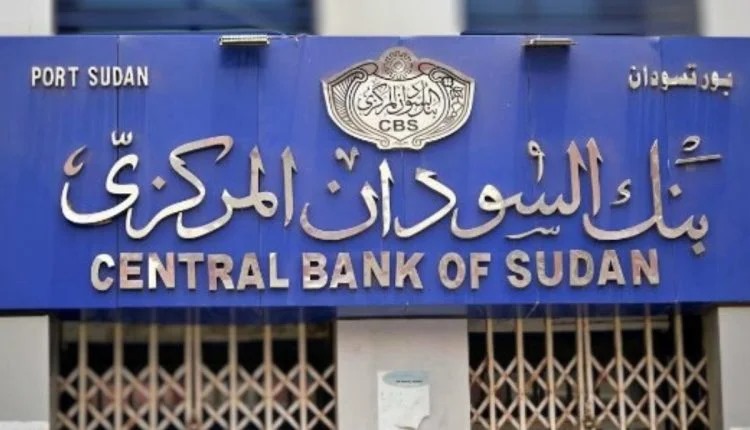
March 16, 2026 (PORT SUDAN) – Sudan’s central bank on Monday raised the lending ceilings for micro and small-scale finance across all productive and service sectors, part of an effort to counter soaring inflation and revive the country’s stagnant economy.
The move, outlined in Circular No. (2026/6), is part of the bank’s 2026 policy aimed at achieving financial inclusion and supporting a “recovery phase” following years of conflict and economic instability.
The central bank cancelled its previous 2025 guidelines and set new limits for various sectors. Under the new rules, financing for the agricultural sector—both plant and animal production—will range between 14 million and 16 million Sudanese pounds.
Alternative energy and green financing projects will now have limits of between 13 million and 15 million pounds, while the industrial and handicraft sector ceilings have been adjusted to between 10 million and 12 million pounds.
The bank also introduced new categories specifically designed to support exports and reconstruction. These include “animal value chains,” with a ceiling of 25 million pounds, and “agricultural value chains,” capped at 22 million pounds. A new “shelter rehabilitation” sector was established, with a 12 million-pound limit, to support citizens in war-affected areas.
For small-scale financing, the maximum limit was raised to 30 million Sudanese pounds.
Microfinance is a key pillar of Sudan’s poverty alleviation strategy, with domestic banks legally required to allocate 12% of their total credit portfolios to the sector.
However, the sector has been hit hard by the rapid erosion of the national currency’s purchasing power. Central bank officials stated that previous financing caps had become economically non-viable for starting new projects due to hyperinflation.
Despite the higher limits, analysts noted that stringent collateral requirements remain a barrier for low-income borrowers. The central bank said it is continuing to explore alternative guarantee methods, such as collective insurance or the use of movable assets, to reach those most in need.