
Sudan seeks to boost domestic seed production for 2026-2027 season
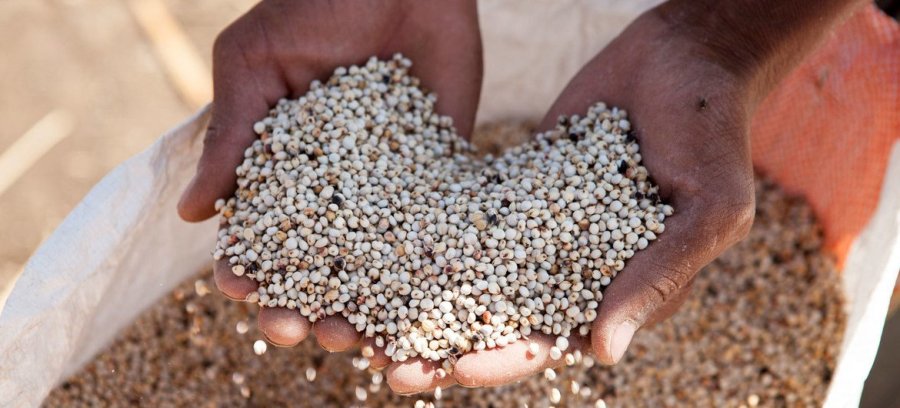
April 6, 2026 (KHARTOUM) – Sudan’s Ministry of Agriculture and Irrigation has reached an agreement with local seed companies to localize production as part of preparations for the 2026–2027 summer agricultural season.
Sudan currently imports a significant portion of its improved seeds. Local production faces steep challenges, including multiple taxes and levies, alongside extensive damage to infrastructure and resources in key producing states.
Agriculture Minister Ismat Qurashi said improved seeds are a priority for the ministry due to their role in increasing productivity. He noted that arrangements are underway to ensure they are available in time for the upcoming season.
The minister confirmed a consensus with private firms to produce improved seeds domestically. He pledged that the government would work to address obstacles facing the private sector in the agricultural industry.
The announcement followed an expanded meeting in Khartoum involving agricultural stakeholders and seed companies. The session reviewed production reports and the efforts of the General Seed Administration in monitoring and inspection to ensure input quality.
Regarding financing, Qurashi said economic policies have improved the performance of the Agricultural Bank of Sudan. He committed the ministry to providing funding for all stages of production, as well as supporting agricultural extension and technology transfer.
The ministry also aims to organize smallholder farmers into professional associations for crop and livestock production. This initiative is designed to facilitate access to financing and expand the use of modern technology.
The governor of the Gezira Scheme, Ibrahim Mustafa, said measures have been put in place to address seed and irrigation issues. He added that arrangements are being made to finance the wheat crop at incentivized prices and to prepare logistics for transporting harvests to warehouses.
The agricultural sector is the backbone of Sudan’s economy, employing approximately 80% of the workforce and contributing about 33% of GDP. However, it has faced severe setbacks due to supply chain disruptions and input shortages.
The sector has been heavily impacted by the ongoing conflict. Estimates suggest that more than 65% of agricultural activity has been destroyed, with widespread farmer displacement and the suspension of production seasons in several regions.