
Funding gap threatens millions of displaced in Sudan with exploitation and violence
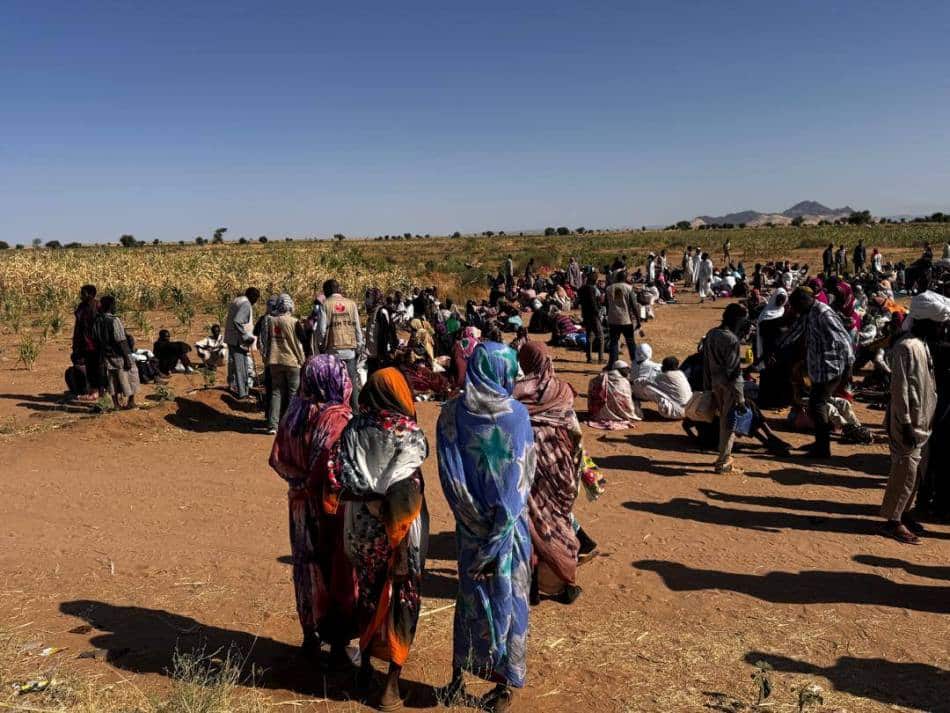
May 3, 2026 (KHARTOUM) – The Camp Coordination and Camp Management (CCCM) cluster warned on Sunday that millions of displaced people are facing heightened risks of gender-based violence and sexual exploitation due to a complete lack of funding for site management.
The CCCM cluster, an inter-agency mechanism supporting those displaced by conflict and natural disasters, stated that funding tracking records show zero financial support for site management needs in 2026. Approximately $15 million is required to provide essential services to 4 million internally displaced persons (IDPs) who currently need site management assistance.
The group highlighted that the funding gap makes it increasingly difficult to identify and address risks related to gender-based violence, sexual abuse, and child protection. Without a regular presence to conduct safety audits and maintain lighting, privacy, and confidential complaint mechanisms, vulnerable populations remain exposed.
Sudan currently hosts approximately 9.1 million displaced people, 4 million of whom require site management services. The CCCM cluster aims to support 1.7 million people, with 1.5 million identified as a high priority.
The statement further explained that the lack of resources increases the risk of forced evictions and property rights disputes in schools, public buildings, and informal displacement sites. This is attributed to the absence of early monitoring and formal communication with local authorities or property owners.
“The lack of site management funding makes aid less equitable,” the statement noted, explaining that families facing barriers related to mobility, documentation, language, age, or disability are often overlooked in the absence of structured management.
Additional risks include public health crises and increased threats of floods and fires due to overcrowding, poor drainage, and unsafe cooking areas. The cluster also warned that without community reporting and monitoring, the civilian character of camps is endangered by the potential presence of armed elements, forced recruitment, or interference with aid delivery.
In response to the financial shortfall, the group is calling on stakeholders to strengthen government accountability and ownership. The cluster plans to utilize mobile teams to cover priority camps instead of maintaining fixed teams at every site, a move aligned with its 2025–2029 strategy.