
WHO launches Darfur cholera vaccination campaign ahead of rainy season
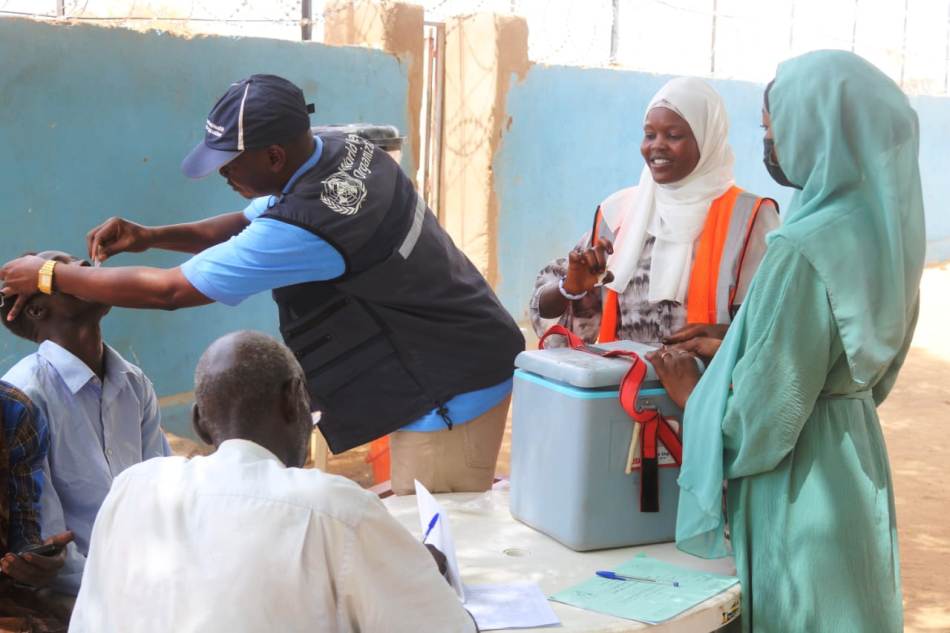
May 17, 2026 (KHARTOUM) – The World Health Organization (WHO) has launched a preventive vaccination campaign to protect more than 252,500 highly vulnerable people against cholera in Sudan’s North and South Darfur states, the U.N. agency announced on Sunday.
The campaign targets the localities of Tawila in North Darfur and Kass in South Darfur. It comes ahead of the critical rainy season, a period historically marked by heightened disease transmission, escalating food insecurity, and severe logistical disruptions that block the delivery of humanitarian aid.
Pervasive displacement, coupled with severely compromised access to clean water and sanitation services, has left both states facing a high risk of an imminent cholera outbreak.
The locality of Tawila, controlled by the Sudan Liberation Movement faction led by Abdul Wahid Al-Nur, currently hosts nearly 560,000 displaced persons. Most fled fighting in El Fasher and the Zamzam and Abu Shouk camps, and are now surviving under severe humanitarian conditions characterized by skyrocketing prices and a critical lack of food, water, and medical services.
The intervention follows a March 14 declaration by the federal health ministry that the previous cholera epidemic had been contained after extensive vaccination campaigns.
Over the past three years, Sudan has battled two separate cholera outbreaks, the most recent of which began in July 2024. That outbreak ripped through all 18 states, infecting 124,418 people and causing 3,573 deaths before health authorities successfully curbed its spread.
In April, the health ministry partnered with state institutions and the WHO to draft a long-term strategic plan to reduce the nationwide cholera incidence rate to fewer than 42 cases per 100,000 people. The initiative also aims to slash cholera-related mortality rates by 90% by the year 2030.