
Sudan poverty rate surges to 73% as war devastates livelihoods, minister says
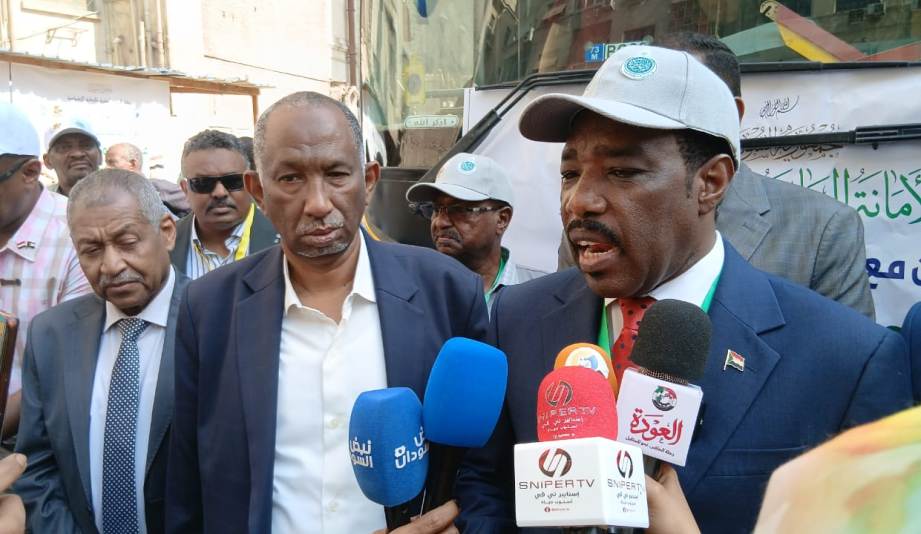
June 9, 2026 (CAIRO) – Sudan’s poverty rate among citizens inside and outside the country has surged to 73%, a government official said on Tuesday, announcing initiatives to support youth and women.
Sudan had achieved progress in poverty reduction over the past two decades, with the rate falling from 38.1% in 1990 to 15.6% in 2011, though United Nations data showed it climbed back to 45% by 2023.
Human Resources Minister Mutasim Ahmed Saleh announced the updated figure during a news conference in Cairo held alongside the launch of a second phase of a voluntary return program.
Saleh said his ministry’s plan for this year focuses on establishing partnerships to implement 500,000 projects for youth, alongside agricultural initiatives to provide seeds and fertilizers.
The minister revealed that 15 partnerships have been established to support women’s groups, noting that women have managed these projects with serious commitment and efficiency.
In November 2025, the Ministry of Human Resources and Social Welfare stated that poverty had risen from 21% to 71% due to the conflict, leaving around 24 million people below the World Bank’s $ 3-per-day poverty line.
A United Nations Development Programme report published in April warned that extreme poverty could reach 60% of the population by 2030, affecting 36 million people, if the conflict continues.
Saleh outlined a five-year plan spanning 2026 to 2030 aimed at securing livelihoods by supporting more than three million small projects to help improve economic conditions.
The minister said more than 10,000 projects are ready for beneficiaries, urging those returning from abroad to take advantage of the available opportunities.
Most Sudanese lost their jobs and businesses after the conflict that erupted on April 15, 2023, destroyed livelihoods in both rural and urban areas, forcing reliance on diaspora remittances and aid.
Resilience has eroded amid economic collapse, forcing many families into negative coping mechanisms, including reducing daily meals, consuming lower-quality food, selling assets, child labour, and underage marriage.
Saleh said the Sudanese government is making significant efforts to restore security and stability, adding that around four million Sudanese have expressed a desire for voluntary repatriation.
Electricity has been restored to up to 80% of Khartoum and several states despite the total destruction of more than 14,700 transformers during the war, Saleh said, noting rehabilitation remains a challenge due to import lead times.
Large parts of Khartoum state have regained power, while the state has restored water services to 25% capacity despite severe infrastructure damage.
The government is working to create an environment conducive to citizens returning and finding work, particularly following the resumption of funding channels through banks, the Zakat Chamber, and the Poverty Alleviation Commission.
Saleh added that community efforts are underway to rehabilitate hospitals and provide medical equipment, while leveraging Egyptian expertise in vocational training, reconstruction, and scholarships for Sudanese residents in Egypt.