
Sudanese bloc sets conditions for RSF-backed alliance to join political dialogue
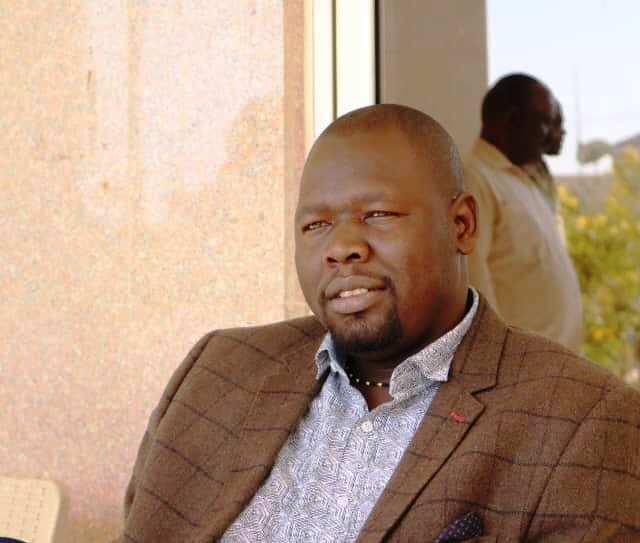
June 15, 2026 (KHARTOUM) – A prominent leader within Sudan’s Democratic Bloc has laid out three conditions for the participation of a paramilitary-backed civilian alliance in upcoming national peace talks, including the removal of Rapid Support Forces (RSF) commander Mohamed Hamdan Dagalo as its head.
Mubarak Ardol, assistant head of the Democratic Bloc, said the RSF-aligned “Tasis” alliance must distance itself from the paramilitary group, renounce plans to set up parallel governance structures, and clarify its stance on abuses committed against civilians.
The announcement follows consultative meetings held in Addis Ababa on June 4 under the auspices of a five-party international mechanism comprising the United Nations, African Union, European Union, Arab League, and IGAD. The talks brought together political and civil factions, including the Democratic Bloc and Tasis, to forge a path toward comprehensive political dialogue.
“The Democratic Bloc has set three conditions for the Tasis alliance to participate in the Sudanese-Sudanese dialogue,” Ardol said during an online seminar hosted by Sudanese journalist Wasil Ali on Sunday. “First, the alliance must separate itself from the RSF, abandon parallel government initiatives aimed at dividing Sudan, and determine its position on violations committed by weapons belonging to members of its alliance.”
Ardol criticized the selection of the RSF commander, widely known as Hemedti, to lead the Tasis political alliance, arguing that political coalitions should be headed by civilian figures.
He suggested other civilian allies of the RSF, such as Mohamed Hassan al-Taishi, National Umma Party leader Fadlallah Burma Nasir, or Sudan Liberation Forces Gathering head Al-Tahir Hajar, would be acceptable alternative leaders.
“Hemedti is a military figure whose path is tied to the Jeddah military negotiations and the quad mechanism,” Ardol said. “He cannot simultaneously lead a military track as the RSF commander and a political track representing the Tasis alliance.”
Responding to comparisons between Hemedti and armed movement leaders Gibril Ibrahim of the Justice and Equality Movement and Minni Minnawi of the Sudan Liberation Movement, both of whom also command forces, Ardol argued that Ibrahim and Minnawi come from civilian backgrounds leading rights-based movements. Hemedti, by contrast, was an integrated part of the state and governed by military law before the conflict broke out, he said.
Ardol urged civilian political forces to explicitly condemn ongoing abuses against civilians, citing recent attacks in the Dar Hamid areas of North Kordofan, Kauda in South Kordofan, and Nyala in South Darfur.
He emphasized that the door remains open for the Tasis alliance to join the national dialogue, provided it complies with the Democratic Bloc’s prerequisites.