
Central bank orders strict vetting for Sudanese fintech partnerships
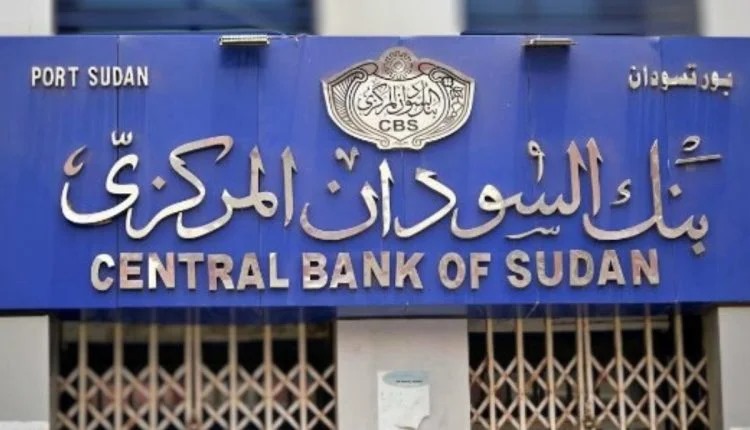
July 3, 2026 (KHARTOUM) – The Central Bank of Sudan has ordered all banks and licensed financial technology companies to secure prior approval before entering into any contractual, operational, or technical relationships or executing data exchanges.
The regulatory move follows controversy in economic and banking circles over Al-Asjad’s launch of a new digital platform for Smart and Digital Solutions. Questions have been raised regarding the company’s recent establishment, its technical and financial capabilities, and reported indirect links to the United Arab Emirates.
The high-profile official attendance at the launch ceremony drew significant attention. The event was attended by a representative of Sovereign Council member Ibrahim Jaber, as well as central bank officials, the head of the Banking Association, bank managers, and financial experts.
In a press statement reviewed by Sudan Tribune on Friday, the central bank said it issued directives prohibiting all banks and licensed fintech firms, including financial switch operators, from entering into any partnerships or implementing data links without the central bank’s approval.
The central bank explained that all licensed entities are subject to strict regulatory and technical standards. These include corporate governance, financial solvency, risk management, business continuity, cybersecurity, and data protection, as well as ongoing supervision throughout the licensing period.
It emphasized that protecting customer data and financial confidentiality remains a top priority. All entities operating within the payment ecosystem are required to implement the highest standards of encryption, data governance, and access control, ensuring information is only used within legally authorized limits.
The central bank stated that licensing multiple entities to provide technical services reflects a modern regulatory approach aimed at boosting competition, driving innovation, improving efficiency, and reducing operational risks. It maintained that the central bank remains the sole authority regulating and supervising the payment system to preserve stability and trust in the banking sector.
As part of its regulatory mandate, the bank added that it continues to implement plans to develop national payment systems in line with international best practices. This effort aims to enhance digital financial services, support financial inclusion, and strengthen the stability of the financial system.
The bank noted that developing payment systems relies on the separation of regulatory and operational roles. The central bank retains full authority to set policy, issue regulations, grant licenses, and supervise the system, while licensed entities provide technical and operational services under the central bank’s guidelines.
It stressed that granting a license to any entity does not automatically give it the right to provide services to banks. All technical integration and service operations remain subject to the central bank’s prior written approval to ensure the safety of the banking system.
The central bank has recently granted licenses to several national companies to operate as financial switch operators. These companies include Bright Technologies, Al-Asjad for Digital and Smart Solutions, Nahda Technology, and Sudapost.
These licenses come in response to the financial sector’s need to expand electronic payment services. The move aims to provide connectivity for banks lacking their own switches, enabling them to offer modern retail banking, support point-of-sale operations, issue bank cards, and connect automated teller machines.
The initiative also seeks to connect telecommunications firms, electricity companies, and government revenue collection agencies to the national payment system. This will enable direct bank-to-bank transfers and provide the technical environment needed to link fintech companies with banks to deliver innovative digital services.