
Sudan rejects South Sudan’s inclusion of Abyei in electoral districts
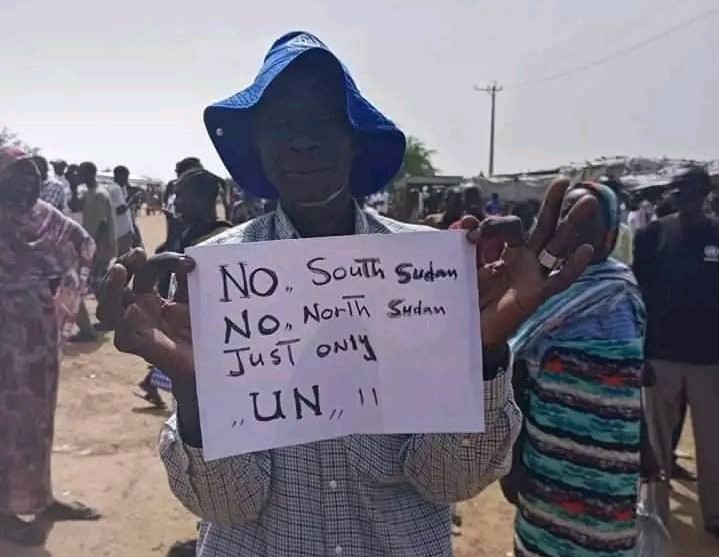
July 13, 2026 (KHARTOUM) – The Sudanese foreign ministry announced on Monday that the government rejects a decision by South Sudan’s National Elections Commission to include the Abyei Administrative Area in its electoral districts.
Khartoum and Juba dispute sovereignty over the oil-rich Abyei region. The two countries have failed to agree on who is eligible to participate in a self-determination referendum stipulated in the 2005 Comprehensive Peace Agreement (CPA), as the Dinka Ngok tribe rejects the participation of nomadic Misseriya pastoralists.
South Sudan’s National Elections Commission designated the Abyei Administrative Area as one of 12 constituencies in Warrap State, out of 102 geographic constituencies created for the general elections scheduled for Dec. 22.
In a statement, the foreign ministry said the government of Sudan rejects the commission’s decision, calling it a clear violation of the Abyei Protocol annexed to the 2005 CPA, which provides that the disputed area remains under Sudanese sovereignty until an agreement is reached.
The ministry noted that the decision also violates the 2011 Temporary Arrangements for the Administration and Security of the Abyei Area agreement, which paved the way for UN Security Council Resolution 2046, which calls for unconditional negotiations to reach a final settlement on Abyei’s status.
The Sudanese government and the Sudan People’s Liberation Movement (SPLM) signed the temporary administrative and security agreement on June 20, 2011, committing to resolve the area’s final status through peaceful means.
On May 2, 2012, the UN Security Council adopted Resolution 2046, demanding an end to military escalation in Abyei and a resumption of negotiations to resolve border demarcation, oil revenue sharing, and the area’s final status.
The foreign ministry said the protocols and agreements concerning Abyei form the legal framework for bilateral relations regarding the territory, adding that Sudan remains fully committed to these reference points.
The statement demanded compliance with all legal obligations set out in the signed agreements and called for a peaceful, final resolution of Abyei’s status to preserve bilateral relations and regional security.
The ministry affirmed Sudan’s legal rights under the signed agreements while reiterating its commitment to good neighbourly relations.
It urged the United Nations, international and regional organizations, and guarantor states to ensure the implementation of agreed frameworks and reject unilateral actions outside established legal boundaries.
The move to include Abyei in the electoral districts comes days after Major General Ganesh Kumar Shrestha, acting head of mission and force commander for the United Nations Interim Security Force for Abyei (UNISFA), visited Sudan and South Sudan this month.
UNISFA said the governments of Sudan and South Sudan expressed support for its mandate and reaffirmed their commitment to dialogue, including meetings of the Joint Political and Security Mechanism, a key bilateral platform for border security and stability in Abyei.
The UN Security Council established UNISFA in June 2011 to support dialogue between Khartoum and Juba, facilitate a political solution for Abyei, and maintain peace along the disputed border.