
Sudan cholera cases in Kordofan rise to 1,547 as rainy season begins
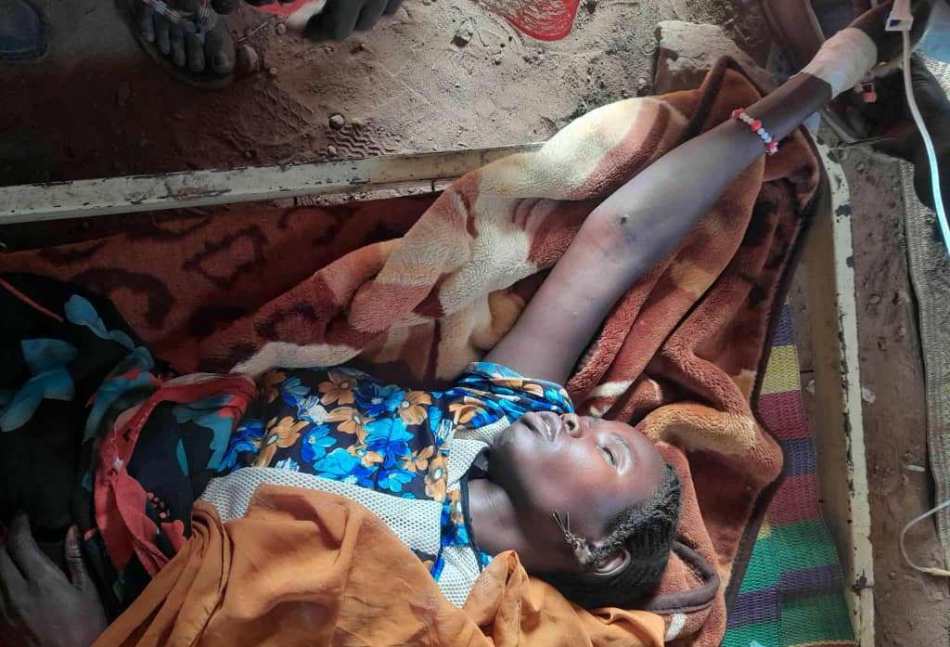
July 15, 2026 (KHARTOUM) – Cholera cases in Sudan’s West Kordofan and North Kordofan states have risen to 1,547, the federal ministry of health said on Wednesday, as authorities prepare a plan to prevent a wider outbreak.
The current spread of cholera in West Kordofan, North Kordofan, and South Darfur marks the country’s third outbreak of the disease in three years. The most recent wave began in July 2025 before being contained in March 2026 following nationwide vaccination campaigns.
In a statement issued after an emergency operations centre meeting, the health ministry said the cumulative number of cholera cases in West Kordofan and the Gharb Bara locality of North Kordofan reached 1,547.
The ministry emphasized the need to focus on a three-month cholera control plan in West Kordofan to help contain the disease and halt its transmission.
The UN Office for the Coordination of Humanitarian Affairs (OCHA) reported on Tuesday that the outbreak was expanding in Darfur and Kordofan. A new case was confirmed at the Kalma displacement camp in South Darfur, while a suspected case was recorded in Tawila, North Darfur.
UN agencies and humanitarian partners are continuing to preposition supplies and scale up their response. UNICEF recently delivered health supplies to El Fula in West Kordofan to support anti-cholera efforts, benefiting an estimated 429,000 people.
The health ministry also reported 90 dengue fever cases in the Karari locality of Khartoum State and the Khashm el-Girba locality of Kassala State. Cholera transmission rates have also risen in White Nile, Khartoum, and Gezira states.
Additionally, health officials recorded 42 cases of Hepatitis E in Gezira and Blue Nile states, while River Nile State registered 27 cases of measles.
The ministry noted varying levels of medical supplies, epidemic consumables, and intravenous fluids across state-level warehouses of the National Medical Supplies Fund, though some malaria and cholera medications remain available nationwide.
The rainy season, which runs from June to October, is one of the most critical periods in Sudan. The season typically brings increased disease transmission, heightened food insecurity, disrupted supply routes, and the widespread destruction of displacement shelters and homes.