
Sudanese civil society groups reject army-backed dialogue committee
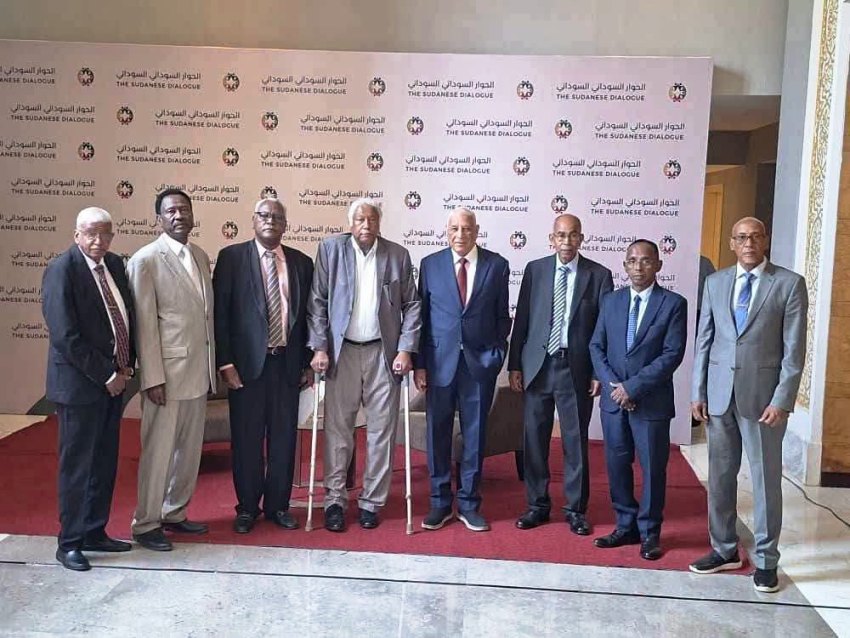
September 10, 2026 (KHARTOUM) – Sudanese civil society coalitions and professional groups have rejected an army-sponsored dialogue initiative, warning international mediators against granting legitimacy to a political process held under military authority as the war continues to devastate the country.
In a joint statement issued on Thursday, five civil society networks denounced the “Preparatory Committee for the Sudanese-Sudanese Dialogue,” launched in Khartoum on August 31 following an invitation from the leadership of the Sudanese Armed Forces.
The signatories, which include the Darfur Women Platform, Sudan Civic Convergence Tracks, Sudan Peace Call, Tadamon, and the Union’s Front, said a dialogue organized in military-controlled areas and under armed forces patronage lacks neutrality and credibility.
They argued that such an initiative risks serving as political cover to entrench a de facto military authority, deepen divisions, and rehabilitate the banned National Congress Party and allied Islamist factions of former President Omar al-Bashir’s regime.
The announcement coincided with a visit to Sudan by the Quintet group. The groups urged the diplomatic grouping, the African Union, the United Nations, and regional states to withhold recognition from what they termed nominal dialogue conducted under the authority of the gun.
Sudan has been gripped by conflict since April 2023 between the army and the paramilitary Rapid Support Forces, killing tens of thousands of people and displacing millions.
The civil society groups maintained that genuine peace cannot be achieved while hostilities continue and essential freedoms remain suppressed. They said the current process excludes war-affected communities, including internally displaced persons, refugees, youth, and women.
Instead of unilateral initiatives, the coalitions proposed an alternative, nationally owned peace track in a neutral venue, built around an immediate cessation of hostilities, unhindered humanitarian access, direct talks between the warring parties for a sustainable ceasefire, and comprehensive civilian-led political negotiations.