
Over 900 dengue fever cases recorded in North Darfur’s Tawila
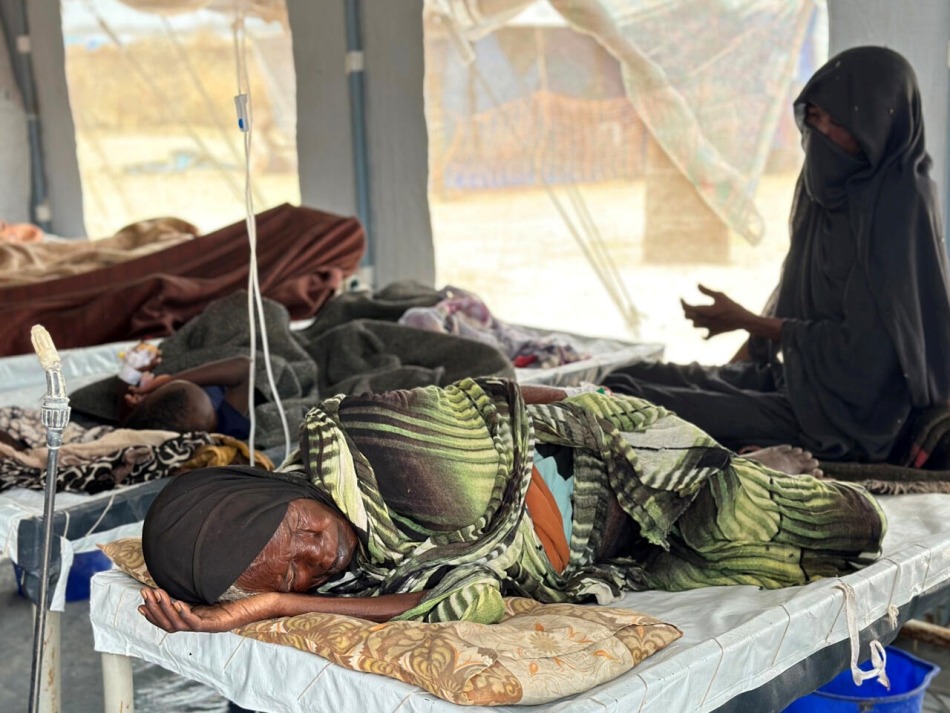
October 16, 2026 (TAWILA) – The General Coordination of Displaced Persons and Refugees in the Darfur region announced on Friday that it registered 927 dengue fever cases in the Tawila area of North Darfur state between September and October 16.
The organization warned of deteriorating health conditions amid a severe shortage of medicines and the suspension of services at several health centres.
Vast areas in the Darfur region are facing complex humanitarian and health crises due to the ongoing conflict.
This violence has triggered massive waves of displacement and a severe decline in basic services, including health care and access to food and clean drinking water.
Difficulty securing humanitarian access and the critical shortage of medical supplies continue to worsen the challenges facing health facilities in affected areas.
These challenges are heavily compounded by the rapid spread of diseases and the growing needs among displaced persons and vulnerable groups.
Adam Rojal, the official spokesman for the Coordination, said in a press statement that the Tawila area is experiencing a surge in medical cases and mounting pressure on the Tawila Rural Hospital.
He added that the remaining health facilities are suffering from an acute shortage of medicines and essential medical supplies.
The health crisis coincides with the spread of malaria, diarrhoea, and malnutrition, particularly affecting children, pregnant women, and nursing mothers.
These outbreaks are occurring amid deteriorating living conditions driven by displacement, drought, hunger, and food insecurity.
Rojal indicated that the Coordination’s field sources are closely monitoring the health situation in collaboration with medical centres operating in the area.
He warned that the continued shortage of medicines, the breakdown of health centres, and a weak humanitarian response could further exacerbate the crisis and increase the risk of severe health complications.
The spokesman called on humanitarian and health organizations, U.N. agencies, and concerned parties to intervene urgently to provide life-saving medicines and medical supplies.
He urged immediate support for the Tawila Rural Hospital and the reopening of shuttered health centres, along with stronger efforts to combat dengue fever and malaria and secure drinking water, food, and therapeutic nutrition.
Rojal demanded that authorities guarantee access to humanitarian aid for displaced persons and host communities across Darfur, Kordofan, and Blue Nile.
He noted that the deteriorating health and humanitarian conditions are not limited to Tawila but extend to multiple other regions affected by conflict and mass displacement.