
Sudan lawyers propose relief centres as West warns of famine
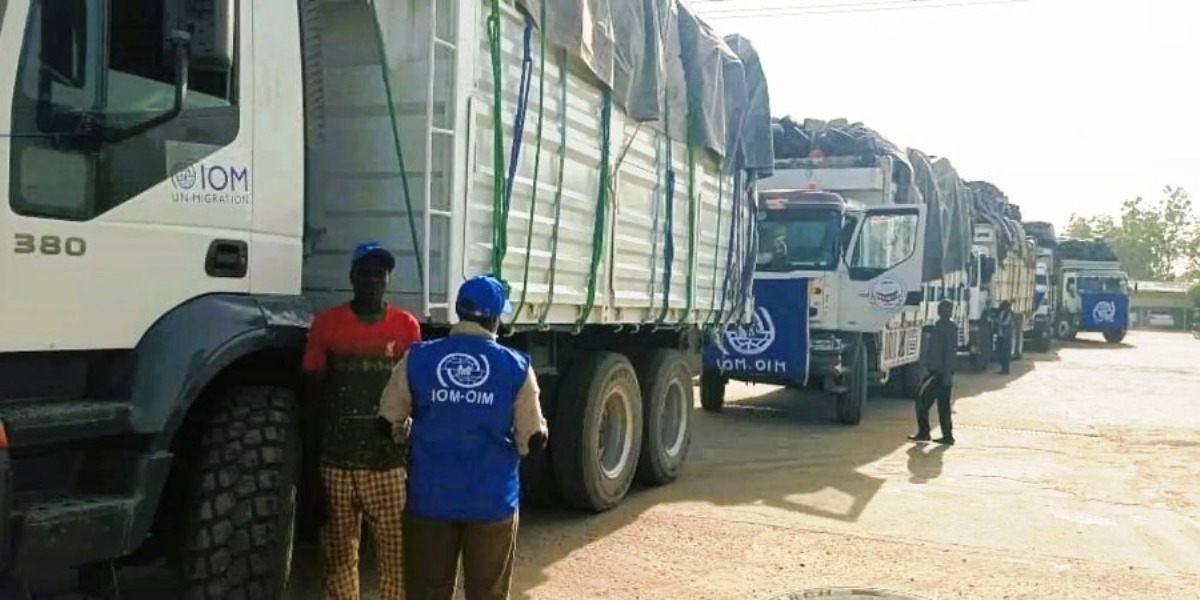
October 24, 2026 (KHARTOUM) – The Emergency Lawyers group proposed establishing relief centres on Saturday, a day after Britain and other Western countries called for an escalated humanitarian response to prevent famine in Sudan.
On Oct. 13, the Integrated Food Security Phase Classification (IPC) reported a rapid collapse in Darfur and Kordofan, with food shortages, rising malnutrition rates, and spreading drought.
The Emergency Lawyers group said in a statement that it calls for establishing relief centres in the most affected areas threatened with depopulation to provide food, drinking water, healthcare, and basic needs.
The group supported a ministerial statement issued by Western countries, led by Britain, regarding food insecurity.
Restrictions imposed by the army and the Rapid Support Forces (RSF) on civilian movement and goods transport have exacerbated this insecurity and contributed to price hikes.
The group noted that many residents were forced to sell their livestock because they could not provide food and water after agricultural season failures and receding vegetation.
Drought has affected crops in large parts of Sudan, raising fears of expanding hunger. Shrinking pastures are forcing more herders to sell off livestock amid high fodder prices.
The lawyers warned that deliberately depriving civilians of food and water, obstructing relief, and looting property constitute war crimes or crimes against humanity.
They condemned the use of humanitarian aid in political conflicts and called for guaranteed, non-discriminatory access for those in need, without exploitation.
The group demanded that both parties to the conflict lift restrictions on civilian movement and the transport of goods, halt looting, ensure safe aid delivery, and protect water sources and civilian facilities.
On Friday, foreign and development ministers from 29 Western countries, alongside the European Union and the United States, warned of a dangerous deterioration in food security and the risk of famine in the coming months.
The joint statement urged the international community to urgently increase funding to meet growing needs.
It encouraged development and financial institutions to adjust their current programs to address food security and focus on the most vulnerable areas.
The statement called for stronger joint action to prevent famine by supporting the winter crop season and strengthening local response mechanisms.
Famine-vulnerable areas include Um Baru, Karnoi, El Tina, Kutum, rural El Fasher, Mellit, and Tawila in North Darfur.
Dilling, Kadugli, and surrounding rural areas in South Kordofan are also at risk, amid fears the crisis could spread to parts of South Darfur, including eastern Jebel Marra.
The statement warned that the number of children suffering from severe malnutrition could rise to over 825,000 if immediate action is not taken.
Western ministers identified the war as the primary driver of the hunger crisis, having displaced millions, damaged vital infrastructure, and disrupted healthcare, food production, supply chains, and markets.
The situation is worsened by the systematic obstruction of aid and the effects of El Niño, which have led to reduced rainfall and widespread drought across more than half of Sudan.
The statement called on both parties to the conflict to remove obstacles to relief, facilitate safe and unhindered humanitarian access, and protect aid workers.
It stressed the need to stop targeting civilian infrastructure, including agricultural and food systems vital for providing basic services to the population.
Around 19.5 million people, representing 41% of the country’s population, face high levels of acute food insecurity, including 5 million facing emergency levels.