
West Darfur group says crop failure threatens to deepen food crisis in war-hit state
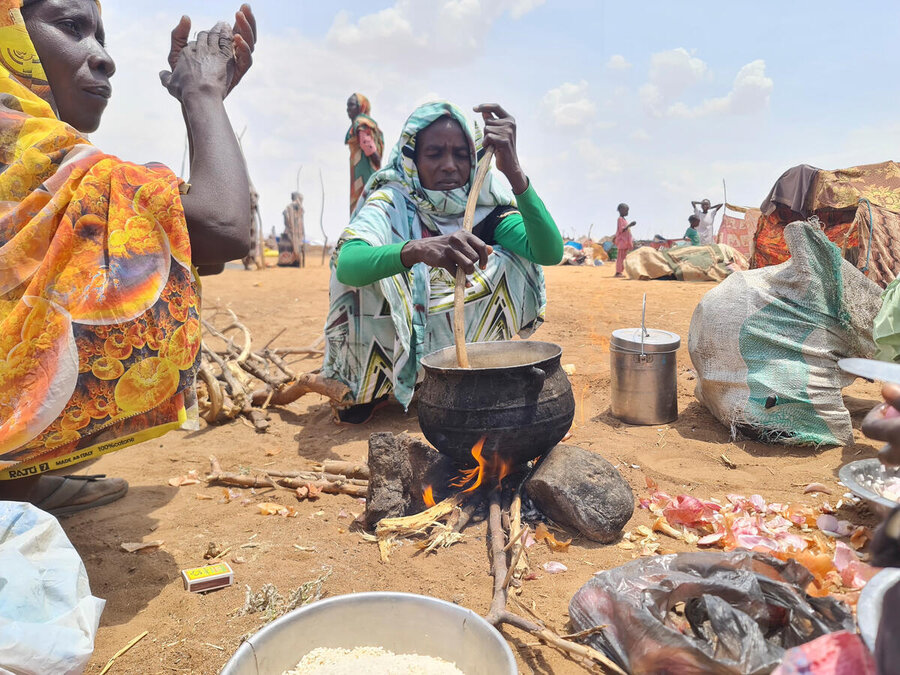
October 25, 2026 (EL GENEINA, West Darfur)) – A West Darfur state emergency response group said on Sunday that failed rains and ruined harvests threaten to deepen food insecurity for populations already uprooted by more than two years of war in Sudan.
Rain-fed farming areas across West Darfur received well-below-normal rainfall this season, stunting millet, sorghum and sesame crops that households rely on for both food and income, the group said in a report on the failed harvest.
Production of all three staples fell sharply across every locality in the Rapid Support Forces RSF-controlled state, it said, attributing the losses to erratic weather patterns tied to climate change.
The shortfall hits a state already buckling under the humanitarian fallout from the war that erupted in April 2023. Inflows of displaced people and returning refugees have stretched food, water and health services to breaking point, the group said.
The crop losses will also erode household incomes and purchasing power, it said, with thinner market supplies expected to push staple prices beyond the reach of low-income families.
The combined pressures of conflict, mass displacement and harvest failure, the group said, could push vulnerable groups, particularly displaced households and families who have lost their livelihoods, into famine in the coming months.
The emergency group appealed to U.N. agencies, international donors and aid organisations to deliver emergency food aid immediately to the most vulnerable, and to provide seeds, tools and cash assistance to help farmers resume production.
The group also called for expanded needs assessments and food security monitoring to identify the worst-affected areas, and for tighter coordination between frontline responders and international donors.
Proactive plans must be implemented immediately to mitigate the risks of starvation and prevent the crisis from deepening in the coming months, the group said.