
Sudan civilians trapped by drone strikes and state arrests, UN says
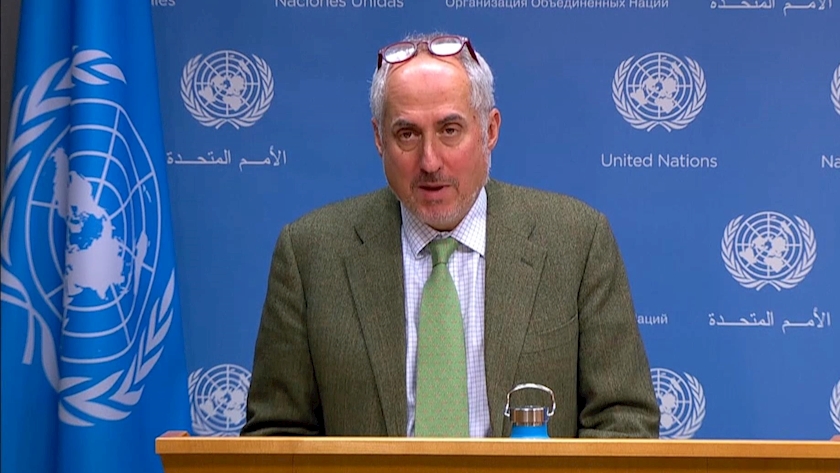
October 29, 2026 (UNITED NATIONS) – Civilians across Sudan remain trapped between intensifying drone warfare, state repression, and severe deprivation as both warring factions continue to commit widespread abuses, a United Nations spokesperson said on Wednesday.
Citing a new report on the besieged city of El Obeid by the Independent International Fact-Finding Mission for the Sudan, U.N. spokesperson Stéphane Dujarric said drone strikes attributed to the paramilitary Rapid Support Forces (RSF) continue to kill and injure civilians while wrecking schools, displacement sites, and basic utilities.
At the same time, security forces affiliated with the Sudanese Armed Forces (SAF) have escalated mass surveillance and arbitrary detentions, deepening fear among the population, Dujarric told reporters at a daily briefing.
The findings come one year after the RSF and aligned militias seized El Fasher, the capital of North Darfur, marking a milestone in a conflict that has ravaged the country since April 2023.
“One year later, the RSF and the SAF bear primary responsibility for the devastation and atrocities in Sudan,” Dujarric said, adding that external actors have continued to fuel and profit from the conflict.
The U.N. highlighted a spate of deadly aerial assaults this week, including drone strikes on Monday that hit a market and a residential district in Nyala, South Darfur, killing dozens of people and wounding more than 150 others.
Casualties were also reported from two separate drone strikes near the airport in El Geneina in West Darfur, as well as an attack in South Kordofan on Tuesday.
Further strikes on Wednesday damaged an electrical substation and fuel stations in Al Jazirah state.
Dujarric condemned the attacks on non-combatants and critical infrastructure, reiterating that all warring factions must abide by international humanitarian law and protect civilians at all times.
Despite chronic funding shortages and active combat, humanitarian agencies reached more than 17 million people with at least one form of relief during the first nine months of the year, according to the U.N. aid coordination office, OCHA.
However, OCHA warned that critical shortfalls persist, with only 3 million people , about 18% of those reached, receiving comprehensive, multi-sectoral assistance.