
Sudanese Communist Party warns of worsening food crisis, calls for famine declaration
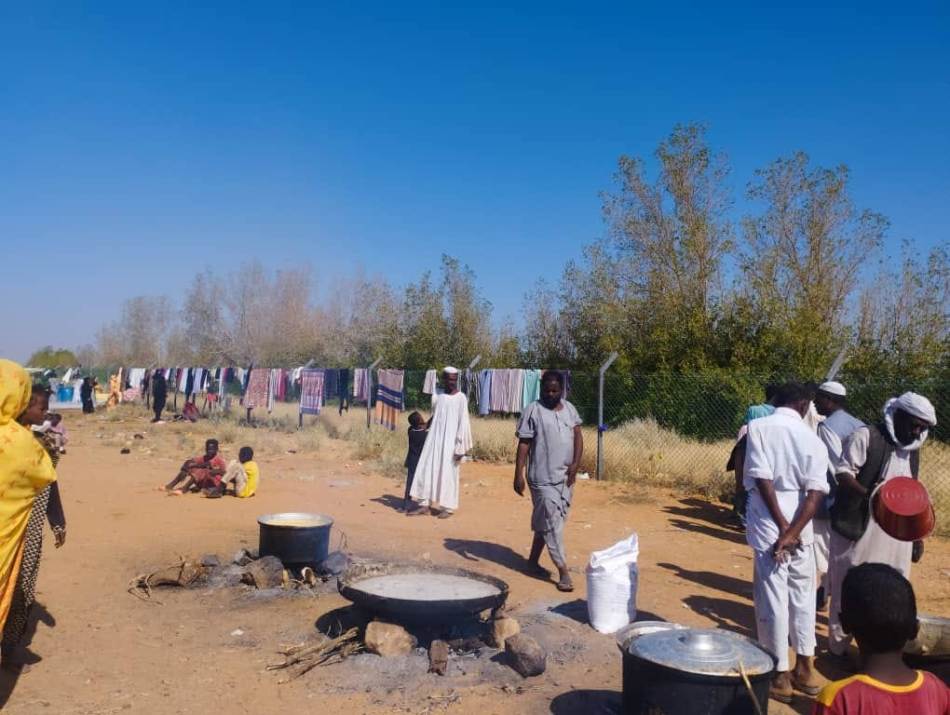
November 18, 2026 (KHARTOUM) – The Sudanese Communist Party (SCP) warned on Wednesday of a worsening food crisis driven by poor rainfall, a failed summer harvest and ongoing fighting, urging an official famine declaration and safe humanitarian corridors.
In a statement, the party’s Political Bureau said the convergence of war, climate shifts and falling agricultural output has created severe living conditions. It warned that the fallout from the failed summer season could extend into the current winter harvest, threatening further food shortages.
The party blamed the agricultural decline on sharply lower and unevenly distributed rainfall, alongside Nile water levels dropping to multi-year lows.
Frequent power outages caused by drone strikes on power stations have disrupted irrigation in major schemes, particularly in River Nile and Northern states, the party said, citing a lack of government intervention or backup power for water pumps.
War-related infrastructure damage and extreme weather, including drought cycles linked to the El Niño phenomenon, have placed heavy strain on farming and pastoral communities, especially in rain-fed areas, the statement said.
The SCP called for urgent protection of the agricultural and livestock sectors, including financing, fuel, seeds, and inputs. It urged authorities to prioritize rehabilitating irrigated schemes to salvage the winter season.
Drought impact
The party said drought in Northern State has killed large numbers of fruit trees and damaged date palms, the region’s main cash crop, while also cutting alfalfa production used for livestock fodder.
In the Gezira and Managil agricultural scheme, the summer season faltered due to unmaintained irrigation canals, rising input costs, water and land fees, and delayed financing, the statement said.
Fearing mounting debt, many farmers skipped the summer planting. The party warned of a similar outcome in the winter season, which supplies a major share of Sudan’s domestic wheat.
In the Blue Nile region, financing from the Agricultural Bank and the Savings Bank covered no more than 45% of farmers’ needs, the party said.
It added that forward-purchase financing under the ‘salam’ system, priced at 150,000 Sudanese pounds per sack, failed to cover production costs. Farmers also struggled to access funds because of liquidity shortages, fuel delays, and companies refusing bank transfers.
In Darfur and Kordofan, scarce rainfall and ongoing clashes have depleted water reserves in seasonal streams and shrunk grazing land, pushing rural communities to flee toward cities, the statement said.
Rising prices and falling purchasing power
Drone strikes targeting markets and water, power and fuel facilities, combined with lower crop yields, have driven up the cost of basic goods, the party said.
Grain prices have surged, with a ruba, a local measure, of wheat reaching 55,000 pounds and feterita sorghum hitting 65,000 pounds in Northern State. In Gedaref, a sack of sorghum exceeded 1 million pounds, according to the statement.
Prices for bread, flour, cooking oil and fuel continue to climb as household incomes fall and the Sudanese pound loses value against the dollar, weakening consumer purchasing power, the party added.
The Political Bureau said ending the war is essential to addressing the humanitarian crisis, alongside declaring famine and ensuring uninterrupted aid access nationwide.
The party urged United Nations agencies and international aid groups to deliver emergency food, medicine and clothing to people inside Sudan and in refugee camps abroad. It also called on local communities to organize relief efforts and prevent clashes between farmers and herders over shrinking water and pasture resources.