
Sudan army tracks over 180 drones in two months as war shifts to infrastructure
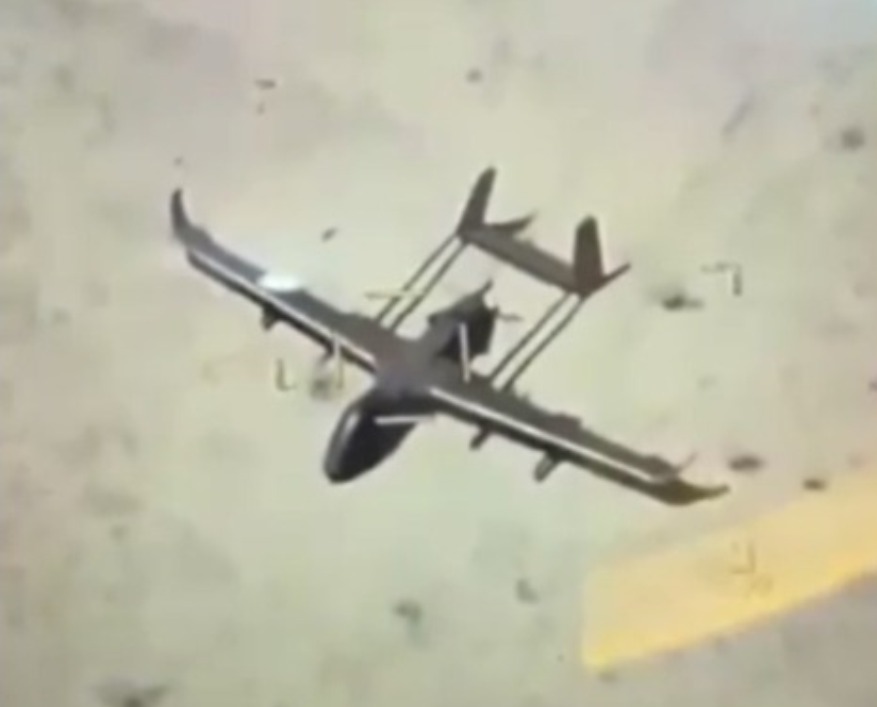
November 5, 2026 (KHARTOUM) – Authorities have tracked more than 180 drones over the past two months, intercepting and shooting down most of them, a military source told Sudan Tribune.
The Sudanese army and the Rapid Support Forces (RSF) have escalated drone attacks, marking a shift in the conflict that began in mid-April 2023.
Drones struck power stations, infrastructure, and markets over the past week, worsening the country’s humanitarian crisis.
The military source said tracking units are monitoring drone movements and have neutralized the majority, though some reached their targets.
Infrastructure targeted
The conflict has entered a new phase, transitioning from direct street clashes to drone warfare.
Military operations increasingly target vital infrastructure, including power generation stations, fuel depots, and water facilities.
Data indicates that more than 19 power stations were hit in seven days across several states, including the Al-Markhiyat station in Omdurman.
Six markets were also bombed, most notably the Nyala market.
Denise Brown, the U.N. Resident and Humanitarian Coordinator in Sudan, said in a statement that the United Nations views this development as a direct threat to millions of civilians.
Brown expressed concern over the attacks and warned against the systematic destruction of energy and fuel sources.
She stated there is no justification for repeatedly targeting power and fuel stations.
Brown called on member states to take steps to de-escalate the situation and halt the flow of weapons.
Mutual attrition
The situation on the ground reflects both factions adopting a strategy of mutual attrition and supply line disruption.
The Sudanese army is attempting to cut off RSF supply routes and logistical movements by targeting headquarters and troop movements.
The RSF is launching concentrated drone strikes on electrical transformer and generation stations in the north, east, and centre of the country.
These targets include the Al-Dabba, Merowe, Atbara, Al-Faw, and Al-Junaid stations.
Observers refer to these operations as a “scorched earth” policy, where neutralizing public services replaces direct military confrontation.
Strategic shift
Retired Brigadier General Abdallah Ahmed Al-Nur, a military expert, attributed this shift to exhausted human resources and the avoidance of direct ground combat.
Al-Nur told Sudan Tribune that both sides have suffered significant losses, making open confrontation highly costly.
Drone warfare has emerged as a lower-cost alternative to paralyze the opposing force.
Al-Nur said both parties seek negotiating leverage by weaponizing the energy crisis.
He noted that advanced, long-range drones have enabled precise strikes in previously secure northern, eastern, and central provinces.
Security expert Mohamed Sharaf El-Din said the current phase represents a strategic shift from controlling territory to crippling state capacity.
Sharaf El-Din said the transition to asymmetrical warfare occurred because direct combat was draining human and material resources.
He said targeting electricity networks and fuel depots aims to halt command operations and logistical movements.
Without fuel, armoured vehicles and supply trucks stop, while without electricity, communication systems and medical facilities shut down.
Humanitarian impact
The destruction of vital facilities has caused electricity and water outages across entire states.
The cuts have disrupted hospitals, intensive care units, and dialysis centres.
The attacks have also affected the agricultural season, worsening existing drought and displacement.
Drone warfare has become a comprehensive means of obstruction that continues to deepen the humanitarian and political crisis in Sudan.