
Sudan: Expectant mothers at risk as healthcare systems in East Nile State collapse
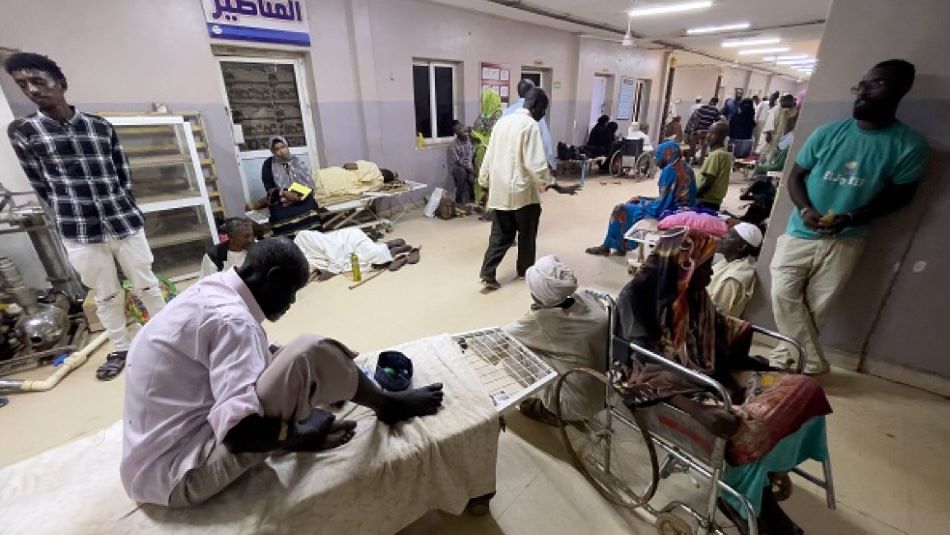
January 21, 2025 (KHARTOUM BAHRI) – The collapse of the healthcare system in Sudan’s East Nile State is a major threat to the lives of expectant mothers and their unborn children.
The lack of medical services, especially in Haj Youssef area, has led to a rise in maternal and fatal mortality rates, in addition to serious health complications that threaten their well-being.
The closure of hospitals and specialized centers for obstetrics and gynecology in East Nile has caused an alarming increase in maternal deaths and obstructed labor. This health deterioration is due to a shortage of trained medical personnel and a lack of medical equipment, which has been subjected to looting and theft.
The situation is further exacerbated by the lack of transportation and ambulances, making it extremely difficult to transport emergency childbirth cases to hospitals. This forces families to resort to primitive and high-risk methods, like using “dardaqa” (a traditional wooden bed) used to transport patients.
The suffering of pregnant women in East Nile is not limited to the lack of medical services; it extends to malnutrition and psychological distress. With the outbreak of the war, it has become difficult to obtain basic meals containing essential nutrients and vitamins for pregnant women, leading to serious health complications for both mother and fetus.
In addition, Anaemia is widespread among pregnant women due to iron and vitamin deficiencies.
The lack of a sense of security is also one of the main reasons for menstrual disorders and obstructed labor. The psychological state of the mother directly affects the health of the fetus and the birthing process. Many women in East Nile have confirmed their suffering from fear and anxiety due to the sounds of gunfire and cannons, which negatively impacts their mental and physical health.
DEATHS AND MISCARRIAGES
The East Nile region has recorded a number of miscarriages and deaths of mothers and fetuses due to the deterioration of medical services and the lack of essential medicines. Khadija, a young woman, lost her life after waiting 14 years to give birth because she could not reach the hospital in time. Mona also died due to Anemia and severe bleeding after suffering a miscarriage.
In a related context, a licensed midwife warned of the dangers of violating a doctor’s instructions, especially for pregnant women who are giving birth for the first time. She stressed the importance of continuous medical follow-up for pregnant women, especially in times of war and the spread of epidemics.
RISING COSTS OF CHILDBIRTHS
With the continuing economic crisis and rising prices of goods and services, the cost of childbirth has increased significantly. The cost of natural childbirth has reached 200,000 Sudanese pounds or more, in addition to the lack of many essential medicines and medical supplies, such as anaesthesia and disinfectants.
EARLY MARRIAGE AND FEMALE GENDER MUTILATIONS
According to reports, there is an alarming increase in the rate of early marriage in the East Nile region, which exposes young girls to significant health risks during childbirth. Female genital mutilation (FGM) also remains a major problem in the region, despite the efforts of international and local organizations to eliminate this harmful practice.
Meanwhile humanitarian organizations and the local community are urgently appealing to the concerned authorities and the international community to provide urgent support to the health sector in the region to address the suffering experienced by pregnant women in East Nile region.
They further called for the provision of essential medicines and medical supplies for pregnant women, in addition to psychological and material support for those affected by the war.
(ST)