
WHO warns over escalating humanitarian crisis in Renk
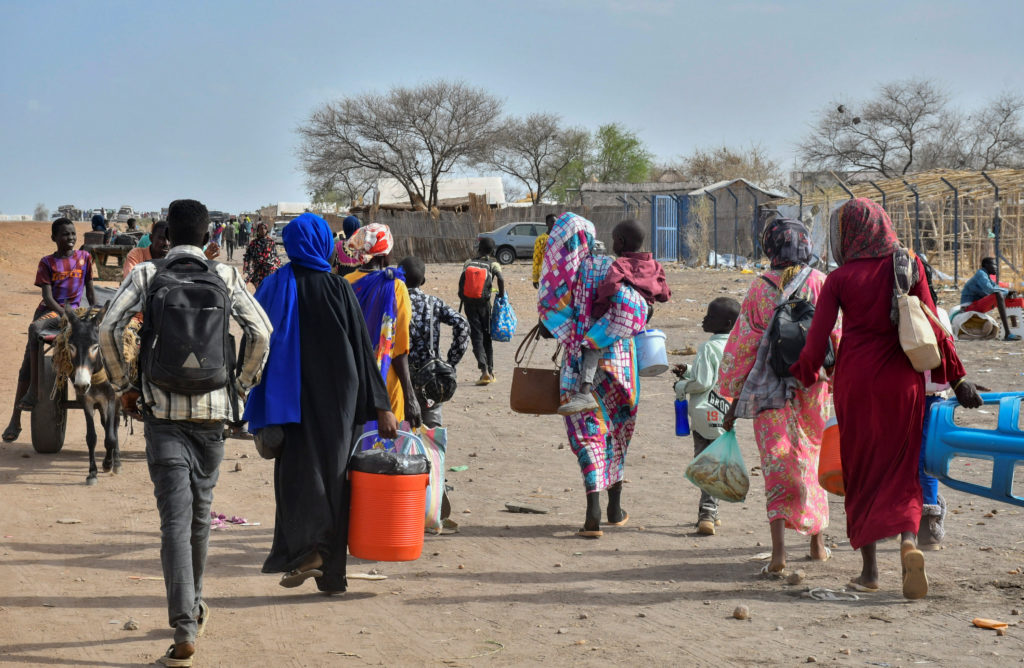
March 1, 2025 (RENK) – The ongoing conflict in Sudan has forced more than 160,000 people to seek refuge in South Sudan since mid-December 2024, placing immense pressure on an already overstretched healthcare system, the World Health Organization (WHO) said in a statement.
The border town of Renk in Upper Nile State and surrounding villages has reportedly become the primary destination for these displaced individuals, exacerbating existing health challenges.
WHO said Renk county hospital remains a vital lifeline for trauma care. As violence intensifies near the Sudan-South Sudan border, the hospital is struggling to cope with a surge in casualties.
In response, the World Health Organization (WHO), in partnership with humanitarian organizations, has established a temporary trauma center. This facility, equipped with 60 beds, a triage area, an operating theater, and a post-operative ward, has provided critical support.
However, the overwhelming demand for surgical interventions—exceeding 300 cases of injuries from armed violence —continues to strain resources and health care personnel.
“The number of patients seeking care in Renk Hospital is increasing daily. We are attending to over 250 outpatients and more than 100 inpatients each day, far exceeding our operational capacity,” said Dr. Ayuel Lual, Medical Director at Renk Hospital.
“We are grateful for the timely support from our partners, particularly WHO, whose interventions have been instrumental in keeping the hospital functional,” he added.
The response to recent mass casualty incidents has been bolstered by the collaborative efforts of WHO, MSF-Belgium, the International Committee of the Red Cross (ICRC), and the UN Refugee Agency (UNHCR). Their support has been crucial in delivering urgent medical and surgical care despite the challenging conditions.
Beyond trauma care, the worsening humanitarian crisis has heightened the risk of disease outbreaks.
Additionally, the influx of displaced populations has led to deteriorating sanitation and overcrowding, fueling the spread of infectious diseases, including cholera. The already strained healthcare infrastructure now faces an increased demand for prevention, treatment, and disease surveillance.
“The scale of displacement is staggering, and health needs have risen dramatically. WHO and partners are ramping up the response by delivering essential medical supplies and expanding health services to new border crossings experiencing a surge in arrivals,” said the WHO Representative for South Sudan, Dr. Humphrey Karamagi.
To meet the escalating demand for emergency and surgical care, WHO has deployed additional makeshift tents, increasing bed capacity by 60. This expansion aims to ensure that more patients receive lifesaving treatment without delay.
With funding from the United Arab Emirates (UAE) and the EU Civil Protection & Humanitarian Aid (ECHO), WHO has reportedly distributed 12.5 metric tons of emergency health kits.
According to the agency, kits which include interagency emergency health kits, kits for emergency surgery and trauma management, cholera kits, and other vital lifesaving medicines benefited an estimated 123,000 individuals affected by conflict as well as the host community.
Meanwhile WHO called for collaborative efforts with its partners, highlighting the urgent need for sustained funding and resources to support the growing healthcare demands in Renk.
It also called for strengthened coordination and long-term investment in health services to alleviate suffering and ensure displaced populations and host communities receive the desperately needed care.
(ST)