
Protecting Sudan’s heritage, an urgent call after National Museum looting
Faisal Mohamed Saleh
Every day further reveals the scale of the crimes committed during the accursed war that has been raging in Sudan for nearly two years. From murder, rape, theft, and looting, to killings based on ethnic, racial, and regional grounds, to the destruction of basic infrastructure, and now, finally, the destruction and looting of Sudan’s antiquities and history.
As soon as army forces entered central Khartoum and the Rapid Support Forces (RSF) exited – or were expelled – images and videos began emerging from this vital area, which houses most of the main state headquarters, major corporate and institutional buildings, and the commercial market. They all show the extent of the devastation resulting from crossfire, artillery shelling, and aerial bombardment, alongside deliberate acts of sabotage committed by RSF forces as they withdrew from Khartoum following their defeats.
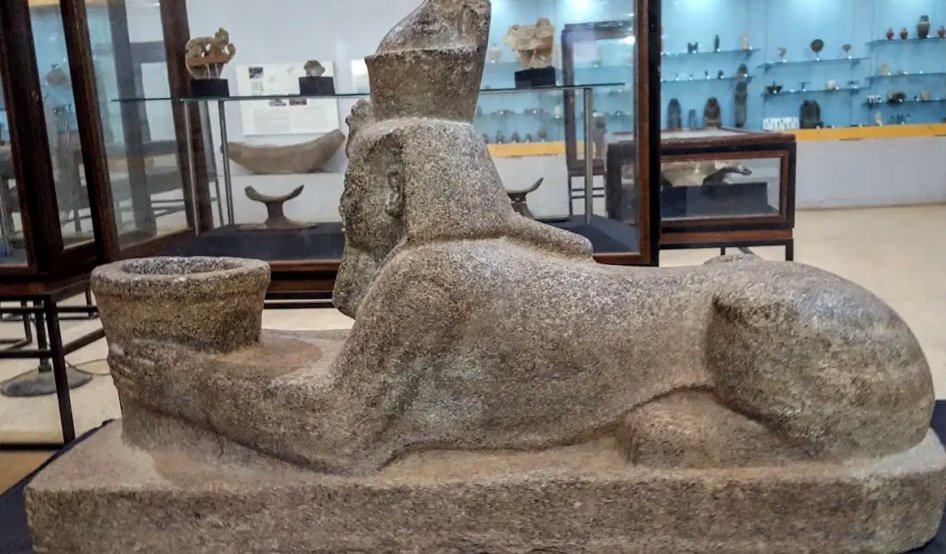
Among the most heartbreaking images and videos, shared by some journalists, were those from the Sudan National Museum in the Al-Mugran area. This museum holds priceless statues, artefacts, and collection pieces representing important eras of Sudan’s ancient history and historic kingdoms. The museum appeared as if struck by an earthquake; display cases were shattered and looted, destruction was rampant everywhere. Meanwhile, the statue of the great Sudanese ancestor, King Taharqa, stood as a silent witness to what transpired. It alone, along with a few other statues, remained in place due to its immense size, which made any attempt to move it difficult.
Experts specializing in antiquities and museums urgently need to conduct an on-site assessment, evaluate the extent of the losses and thefts, and prepare a comprehensive report. Without this crucial step, initiating regional and international efforts to protect Sudanese antiquities and recover looted items is impossible.
Last September [2024], reports surfaced alleging that some looted antiquities from the National Museum were being offered for sale on historical auction websites. A major media campaign erupted, speaking of Sudan’s history being put up for sale. Numerous contacts were made between experts, former officials associated with the Antiquities and Museums Authority, and UNESCO experts to try and halt these sales, if the reports were accurate. Some experts opined that the artefacts shown in the circulated images were not Sudanese, which alleviated concerns but did not entirely negate them – the incident might have been real, even if the photos were inaccurate. In any case, those reports sounded alarm bells, alerting people to the possibility as long as Sudanese museums remained within war zones without local or international monitoring.
Furthermore, the vast majority of soldiers from the force controlling the museum area at that time – the RSF – lacked sufficient appreciation for the value and importance of these artefacts. This consequently meant that the likelihood of the museum’s collections being subjected to theft, looting, and vandalism was high and entirely possible. Indeed, videos circulated in the early months of the war showing some of these soldiers tampering with mummies stored within the museum.
The Sudan National Museum, opened in 1971, houses priceless collections dating from antiquity, the ancient Sudanese Nubian kingdoms of Kerma and Meroe, through the Christian kingdoms of Napata, Alwa, and Makuria, and up to the subsequent Islamic kingdoms. Temples relocated from the Lake Nasser (High Dam) area were reconstructed within its grounds, alongside numerous statues embodying stages of Sudan’s ancient history, including that of the great Sudanese King Taharqa.
What is crucial now is to launch a global campaign to protect Sudanese antiquities and recover the looted items. In this regard, we can leverage UNESCO decisions and laws, as well as international precedents that criminalize the transfer, smuggling, and sale of antiquities, including the 1970 UNESCO Convention on the Means of Prohibiting and Preventing the Illicit Import, Export and Transfer of Ownership of 1 Cultural Property. We can also refer to the significant international precedent related to Iraq and Syria, where the UN Security Council issued Resolution 2199 in 2015, prohibiting trade in antiquities from these two countries following widespread museum looting after the occupation of Iraq and the outbreak of civil war in Syria. Many countries complied with the resolution, halting major sales, confiscating looted items, and returning them to the relevant nations. UNESCO and the international community can be petitioned to adopt similar decisions for Sudan. This national duty does not require the petitioner to hold any specific office or title.