
New U.S. sanctions spark economic fears in war-torn Sudan
May 27, 2025 (PORT SUDAN) – Economic experts in Sudan have expressed grave concerns following the latest U.S. sanctions imposed on the country, which is already reeling from the economic strain of ongoing conflict. They warn that the measures could severely impede post-war reconstruction efforts.
The U.S. State Department announced last Thursday that it would impose sanctions on Sudan after confirming its use of chemical weapons in 2024. State Department spokesperson Tammy Bruce stated that the sanctions would include restrictions on U.S. exports and Sudan’s access to U.S. government credit lines. Bruce added that the sanctions would take effect immediately upon publication in the Federal Register.
Following the announcement, Sudan’s parallel foreign currency markets plunged into chaos. Prices surged, and exchange rates for remittances – a crucial lifeline for Sudanese at home and abroad – fluctuated wildly.
In Omdurman and Port Sudan, the U.S. dollar’s exchange rate against the Sudanese pound ranged between 2,890 and 3,000 for buying and selling, according to traders. Other currencies were also affected, with the Saudi Riyal rising from 744 to 760 Sudanese pounds, alongside varying increases in the prices of some food items across different cities.
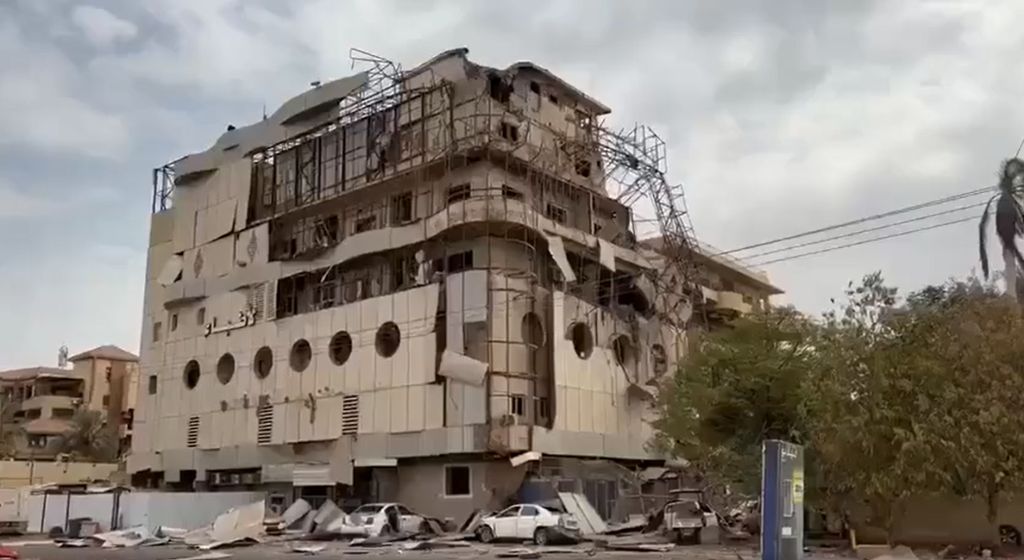
Experts fear the sanctions’ impact on the anticipated reconstruction process after the war, which has devastated infrastructure and pushed health and economic services to the brink of complete collapse.
Economic expert Haitham Mohamed Fathi told Sudan Tribune that the sanctions’ impact on the currency would be long-term, not limited to the current surge in foreign exchange rates. Fathi added that the effectiveness of these sanctions depends on their implementation mechanisms and the extent to which regional and international parties adhere to them.
He noted that the sanctions could complicate financing operations by imposing restrictions on companies and banks dealing with Sudanese governmental entities and businesses. He also anticipated disruptions to trade, import/export activities, and reconstruction efforts through the reactivation of oversight mechanisms for transactions with Sudan.
Fathi suggested that U.S. sanctions generally have become more of a moral and humanitarian burden than a political pressure tool. He added that sanctions have not succeeded in toppling regimes or rulers but instead undermine social and economic stability by targeting the daily necessities of Sudanese citizens.
Referring to previous sanctions that were nominally lifted, Fathi stated that their effects remain evident, as if they were still in effect, providing no benefit to the Sudanese economy.