
Sudan sees fresh cholera cases, dengue fever surge
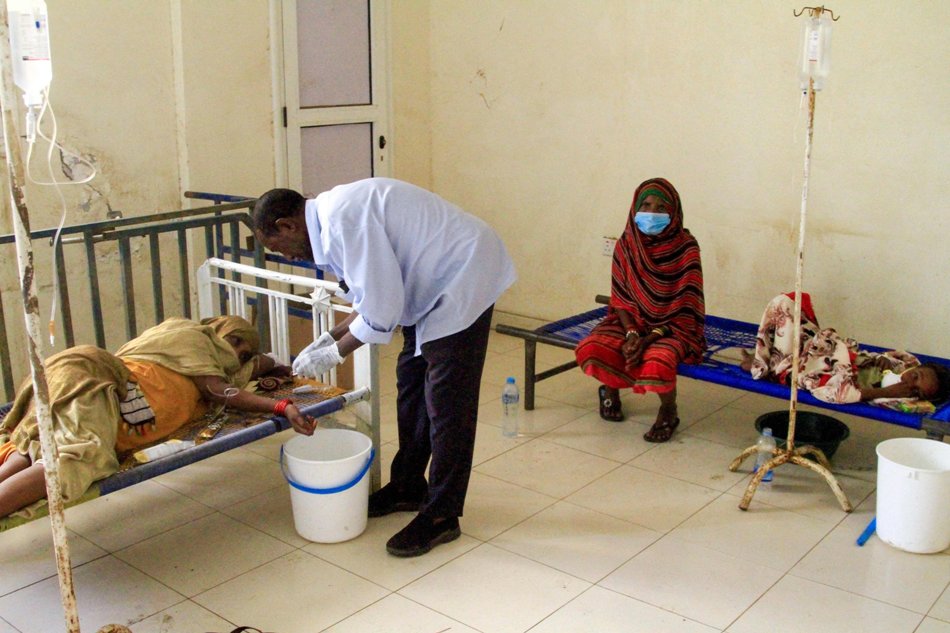
July 15, 2025 (KHARTOUM) – Sudan’s health ministry on Tuesday reported new cholera infections in 12 of its 18 states and called for urgent intervention to curb a rise in dengue fever cases in the capital Khartoum.
Sudan has experienced waves of cholera since July 2024, mainly due to residents consuming contaminated water after attacks by the paramilitary Rapid Support Forces (RSF) on electricity infrastructure disrupted water stations.
The ministry registered 674 new cholera cases, including 13 deaths, across 33 localities in 12 states between July 5 and 11, it said in a statement. This brings the total number of cholera infections to 87,762, with 2,264 fatalities, spreading across 111 localities in 17 states.
The U.N. Office for the Coordination of Humanitarian Affairs (OCHA) warned on July 3 that 33.5 million people, including 5.7 million children, face the risk of cholera infection.
In Khartoum, the ministry also reported 28 cases of dengue fever within a week, prompting calls for swift action. Additionally, 68 new measles cases were reported in 18 localities across seven states, along with 13 heatstroke cases, including three deaths, in the Red Sea and Northern states.
The ministry noted that supplies of medicines, epidemic consumables, and solutions vary across states within the Supply Fund warehouses, but did not provide specific figures.
Concerns are rising that disease outbreaks will intensify during the rainy season, from June to October, amid widespread hunger and malnutrition, particularly in Darfur, Khartoum, and parts of Kordofan.
Health Undersecretary Haitham Mohamed Ibrahim stated that “despite the interventions implemented, the need remains great.” He directed the activation of emergency rooms in the states and called for interventions against dengue fever in Khartoum and cholera in the Blue Nile region.
Cholera is prevalent among returnees from South Sudan to the Blue Nile region, where 76,000 out of 110,000 Sudanese have returned due to insecurity and lack of food and services in refugee camps in the neighbouring country.