
UNHCR, Islamic Development Bank launch $2.5 mln fund for Sudanese refugees
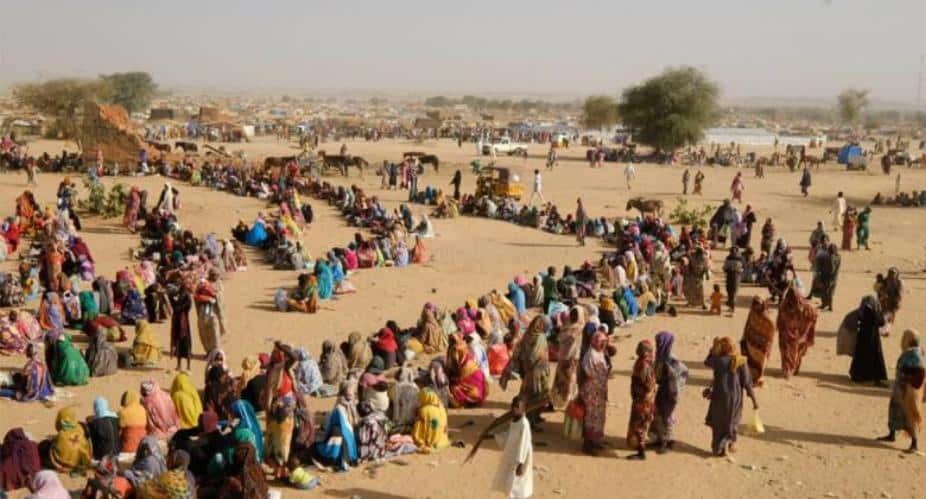
July 18, 2025 (JEDDAH, Saudi Arabia) – The UN Refugee Agency (UNHCR) and the Islamic Development Bank (IsDB) have signed a $2.5 million agreement to aid Sudanese refugees, marking the first allocation from a new sharia-compliant fund designed for sustainable humanitarian financing.
The funding will support refugees who have fled to Chad, Egypt and Libya to escape what the UNHCR calls the world’s largest displacement crisis, with over 14.3 million Sudanese displaced by the end of 2024.
According to a joint statement on Thursday, the agreement is the first deployment of capital from the Global Islamic Fund for Refugees (GIFR), a fund established in 2022 by the UNHCR and IsDB. The GIFR uses investment returns from a cash waqf, or Islamic endowment, to create a continuous source of funding for refugee crises.
“As displacement crises worsen… reliance on traditional funding sources… is no longer sufficient on its own,” said Khaled Khalifa, UNHCR’s Senior Advisor on Islamic Finance. He added that the GIFR offers a “complementary path to bridge funding gaps.”
The funds will be used to provide safe water for over 50,000 refugees in Chad, expand healthcare for 95,000 refugees and host communities in Libya, and support education and disability services for refugees in Egypt, the statement said.
The Sudan crisis has heavily impacted neighbouring countries, with Chad hosting over 1.1 million refugees, Egypt more than 600,000 and Libya approximately 200,000.
Issa Faye, Director General at the IsDB, said the partnership demonstrates the effectiveness of “innovative Islamic finance in the humanitarian field” and shows how strategic investments can support emergency responses.