
Sudan’s women disproportionately hit by deepening food crisis, report finds
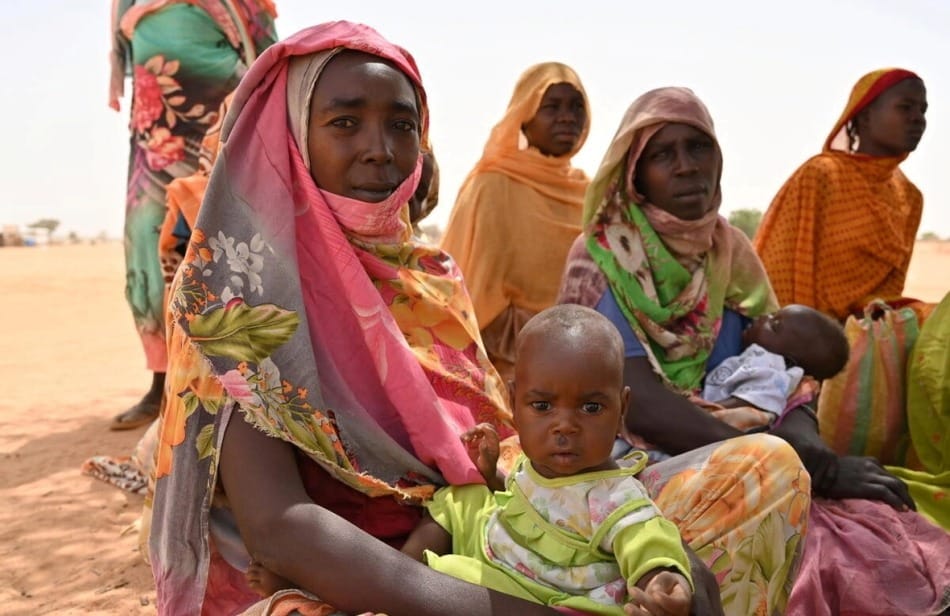
July 28, 2025 (KHARTOUM) – Sudan’s escalating food crisis is disproportionately impacting women, with female-headed households three times more likely to be food insecure than those led by men, according to a humanitarian report published in July 2025.
The “Gender Snapshot” by the Gender in Humanitarian Action (GiHA) Working Group Sudan, based on a World Food Programme assessment, details a severe and worsening food crisis for women. Three-quarters of all female-headed households are now food insecure, a figure that rose from 64% in 2024.
Severe hunger among these households nearly doubled within a year, affecting 25.9%.
The analysis highlights a stark disparity, with female-led households being three times more likely to face food insecurity than those headed by men.
This nutritional gap is further evidenced by the fact that 45% of female-headed households report poor food consumption, almost double the rate for male-headed households.
The report states that conflict, displacement, and collapsing markets have pushed millions into acute food insecurity, with women-led organizations (WLOs) at the forefront of the response, operating community food kitchens.
However, the report notes these groups are “systematically underfunded,” forcing some to reduce services. One organization operating 60 food kitchens had to shut down 35 because funds dried up.
In response, the report calls for humanitarian action to prioritize and target assistance to the most at-risk groups, including female-headed households, pregnant and breastfeeding women, and adolescent girls.
It strongly recommends channelling flexible and direct funding to women-led organizations that are already providing essential food aid on the frontlines.
The report also advocates for the meaningful inclusion of these local women’s groups in the design, planning, and coordination of all food assistance programs to ensure aid is effective and reaches those most in need.