
UN expert warns of ‘limited progress’ in Sudan, points to famine risk
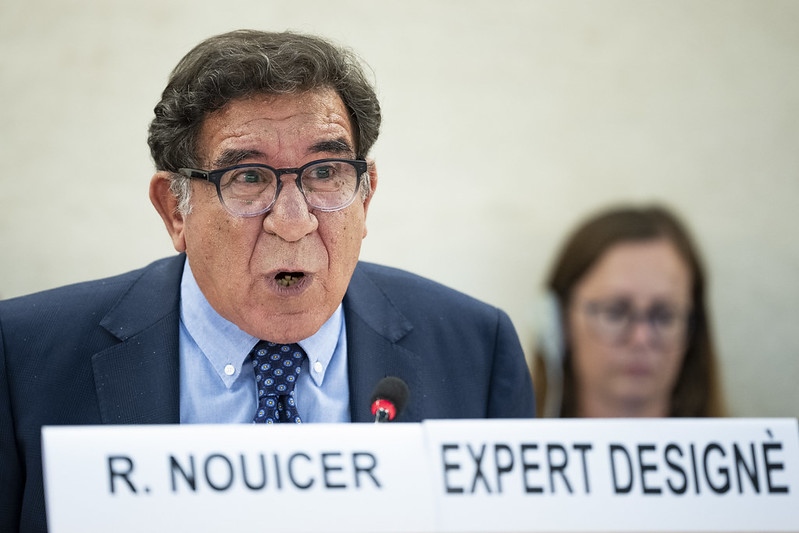
August 5, 2025 (GENEVA) – A top U.N. human rights expert warned on Tuesday that the situation in Sudan is deteriorating, citing escalating violence, looming famine, and “very limited concrete progress” from authorities on key rights issues since the conflict began.
In a statement concluding a visit to Port Sudan, Radhouane Nouicer, the U.N.-designated expert on human rights in Sudan, said the ongoing war is devastating civilian lives and turning daily survival into a struggle. The visit was his second to the country since the conflict erupted in April 2023.
Nouicer described seeing women and children living in tents in “scorching temperatures,” with humanitarian aid like food, water, and healthcare suspended for months due to funding cuts. He warned that the coming rainy season will “further exacerbate the crisis”.
Famine has been confirmed in some locations, with other areas at risk, the statement said.
The expert expressed deep concern over escalating violence in North Darfur and Kordofan, particularly attacks by the Rapid Support Forces (RSF) directed at civilians, civilian infrastructure, and the use of sexual violence. The U.N.’s human rights office has documented over 390 cases of sexual violence, but Nouicer noted the actual number is likely much higher due to underreporting.
Attacks by the Sudanese Armed Forces (SAF), including recent airstrikes in Darfur and Kordofan, were also a source of concern.
Nouicer pointed to increasing reports of arbitrary arrests and the handing down of harsh sentences, including the death penalty, for alleged “collaboration” with the RSF. He said these sentences raise significant concerns in a context where fair trial guarantees are “severely compromised”.
In what he called a “welcome development,” Nouicer noted that Sudan’s Attorney General reported filing over 300 cases against regular forces, including the SAF, and had lifted immunity for some personnel.
The expert’s diplomatic efforts faced setbacks. Planned meetings with the newly appointed Prime Minister, the Transitional Sovereignty Council, the RSF, and the Sudan People’s Liberation Movement-North (SPLM-N) did not proceed. The meeting with the RSF was cancelled after Nouicer declined the delegation they nominated.
The war has also crippled the economy, with Sudan’s currency depreciating by 500%, trading at over 2,500 SDG/USD compared to around 500 before the conflict.
“The international community must not merely observe but act with urgency to enforce the arms embargo, support local peacebuilders, and ensure unhindered humanitarian access,” Nouicer stated.