
U.S. strategy pivots to investment in Africa, seeks Sudan peace deal
December 5, 2025 (WASHINGTON) – The United States on Friday unveiled a new national security strategy that prioritizes a negotiated settlement to the war in Sudan and a shift toward commercial investment, signalling a sharp departure from traditional foreign aid and refugee resettlement.
The 2025 National Security Strategy, which outlines the agenda for President Donald Trump’s second term, identifies the ongoing conflict in Sudan as a key “opportunity for engagement”. It calls for a transition in U.S. policy toward Africa from a “foreign aid paradigm” to an “investment and growth paradigm”.
Diplomacy and ‘the pledge’
Washington intends to “partner with select countries” to resolve the conflict, specifically listing Sudan alongside the Democratic Republic of Congo as priorities for negotiated settlements.
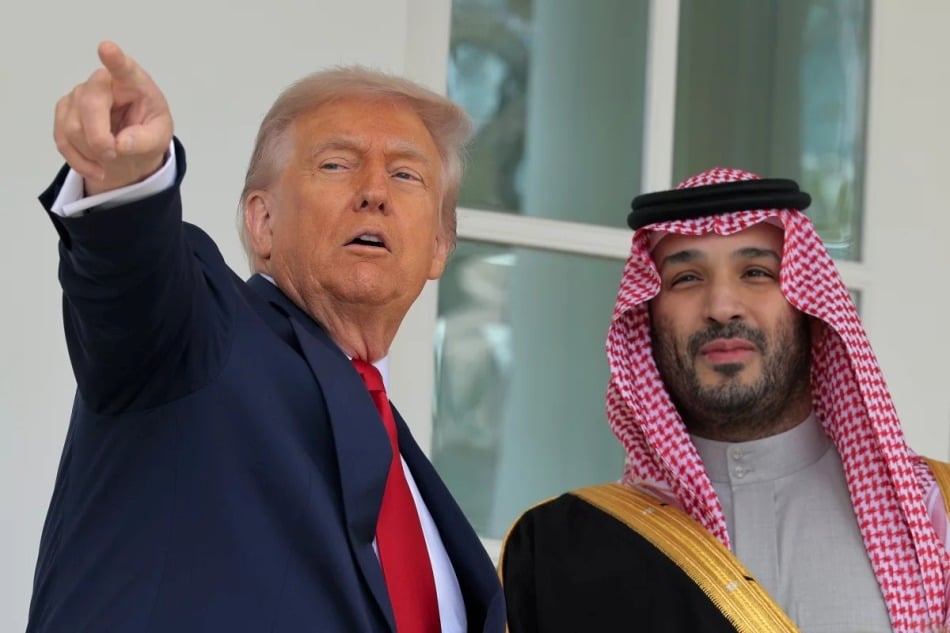
The release of the strategy follows a personal pledge by President Trump last month to intervene in the conflict. On November 19, following a meeting with Saudi Crown Prince Mohammed bin Salman in Washington, Trump announced he would “start working” on ending the war immediately.
“His majesty would like me to do something very powerful having to do with Sudan,” Trump told a U.S.-Saudi investment forum at the Kennedy Center, adding that the administration began working on the issue “30 minutes after” the Crown Prince requested it. In a subsequent statement on Truth Social, Trump called for an “immediate halt” to the violence and promised to work with Saudi Arabia, the UAE, and Egypt to stabilize the country.
Regional brokers
The strategy indicates the U.S. will leverage alliances in the Middle East to “bolster opportunities” in Africa, suggesting a reliance on regional brokers to influence the peace process. However, the document emphasizes a “predisposition to non-interventionism,” ruling out any “long-term American presence or commitments”.
The United States, the United Kingdom, Saudi Arabia, and the United Arab Emirates—known diplomatically as the Quad—have previously led international efforts to broker a truce. The group has primarily supported the Jeddah platform, which has produced a short-lived ceasefire but failed to secure a lasting end to the fighting between the Sudanese Armed Forces (SAF) and the Rapid Support Forces (RSF).
Investment over aid
Economic engagement will focus on the energy sector and critical mineral development. The administration plans to favour partnerships with “capable, reliable states” committed to opening markets to U.S. goods, making future engagement contingent on market access rather than humanitarian needs.
Migration restrictions
The document outlines a restrictive approach to displacement, declaring that “the era of mass migration is over”. Asserting that mass migration has “undermined national security,” the strategy prioritizes border security and aims to stop “destabilizing population flows” by resolving conflicts locally, effectively limiting prospects for Sudanese refugees seeking resettlement in the United States.