
Sudan’s Somoud coalition reviews structure to accommodate new entities
December 13, 2025 (PORT SUDAN) – The Somoud coalition has begun reviewing its operational methods and structures to accommodate new groups and unify civil efforts to end the war, a senior official said on Saturday.
The alliance, led by former Prime Minister Abdalla Hamdok, was formed following a split within the Tagadom coalition. This occurred after the Rapid Support Forces (RSF) and the Sudan People’s Liberation Movement-North (SPLM-N) established the separate Tasees alliance.
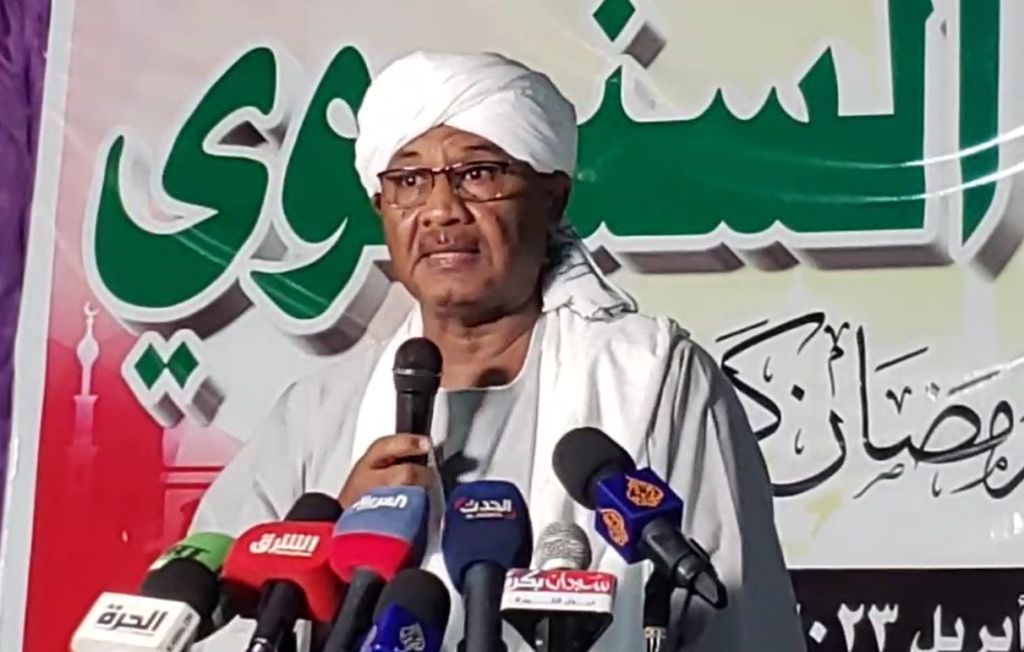
Al-Wathiq Al-Bereir, a leader in the Somoud coalition, told Sudan Tribune the organization had “initiated a comprehensive review of its working method and organizational structures.”
He said the move included restructuring the distribution of powers between specialized committees and the executive office to clarify tasks, accelerate decision-making, and consolidate institutionalism.
The review aims to include new professional and civil entities, improve coordination mechanisms, and enhance the representation of youth, women, and professionals, Al-Berair added.
He noted the alliance is working to expand its base domestically and abroad to build a bloc capable of stopping the war and restoring the democratic transition.
Sudanese political forces have fractured since the conflict began, divided by their stances toward the warring parties. Some have supported the army or the RSF, while others advocate for a peaceful resolution.
Al-Bereir said the Somoud coalition prioritizes humanitarian aid as the crisis worsens, with millions facing hunger, disease, and displacement.
The alliance is in contact with United Nations agencies and international organizations to ensure aid flows and to remove obstacles hindering relief access in stricken areas, he added.
High levels of food insecurity affect 21.2 million Sudanese, according to the Integrated Food Security Phase Classification (IPC). Famine was declared on Nov. 3 in El Fasher and Kadugli, with warnings it could spread to 20 other areas in Darfur and Kordofan.
The U.N. says 33.7 million people, including 17.3 million children, will need humanitarian assistance next year. It warned that 825,000 children suffer from severe acute malnutrition.
Al-Bereir said coalition leaders have held high-level meetings with representatives from Europe, the region, the African Union, and IGAD as part of efforts to stop the war and launch a political process.
The African Union is seeking to bridge gaps between Sudanese factions to discuss post-war governance, but conditions set by political forces have stalled these efforts.