
Sudan refugee commission reform stalls amid nepotism allegations
January 13, 2026 (PORT SUDAN) – Efforts to reform the Sudanese Commission for Refugees (COR) have stalled amid accusations of widespread nepotism and the current administration’s failure to implement restructuring plans, sources within the body said.
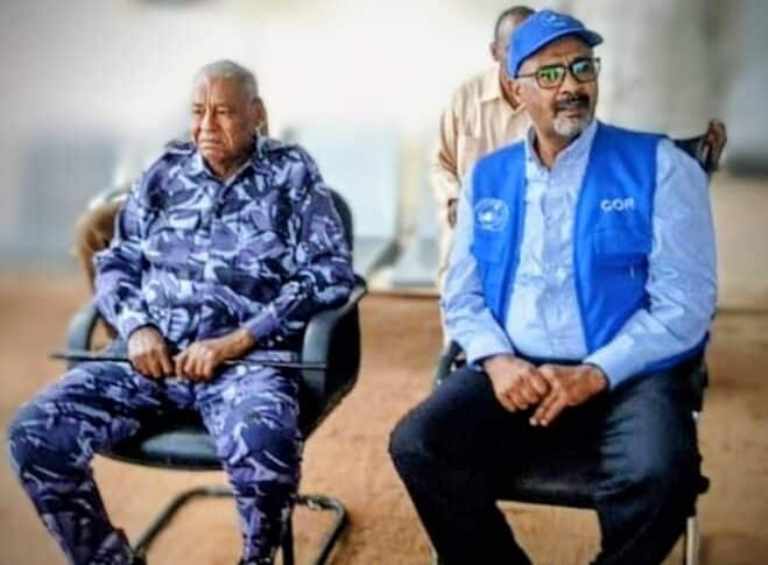
The impasse has raised doubts about the ability of the current commissioner, Nizar al-Tijani Ahmed Abu al-Qasim, a general from the General Intelligence Service, to dismantle a legacy of corruption from previous administrations, according to two employees.
Staff and other sources told Sudan Tribune that a plan to return 181 government employees to their official positions faces significant hesitation. This is despite the formation of a technical committee tasked with auditing personnel and correcting administrative violations that occurred under the previous commissioner.
The reform plan was intended to fill administrative gaps with national experts and subject remaining roles to public competition through the Civil Service Selection Commission to ensure transparency.
However, sources revealed loopholes in a decision to terminate the contracts of 316 staff members. They noted that several employees close to the commissioner’s assistants in various states and at headquarters remain in their posts under the guise of maintaining “business continuity.”
These exceptions are being viewed by observers as a circumvention of official policy that prioritizes personal connections over institutional reform.
While financial managers were retained to complete the 2025 budget audit, Sudan Tribune has found that commission offices in the states and at headquarters are now largely empty of permanent staff.
Key offices in White Nile, Gedaref, Khartoum, and Kassala are currently being managed by contractors who were officially slated for termination. In Damazin, the office continues to be run by an official whose legal secondment period expired years ago, sources said.
The administrative crisis comes as the relocation of refugees from the capital, Khartoum, has ground to a halt. The situation highlights a growing gap between the commissioner’s public commitments to reform and the reality of a faltering executive rollout.
The commission is scheduled to move its central operations back to Khartoum during the third week of January. The move is expected to serve as a critical test of whether the leadership is serious about activating a new organizational structure and ending the current administrative paralysis.