
More than 3.5 million return to homes in Sudan, IOM says
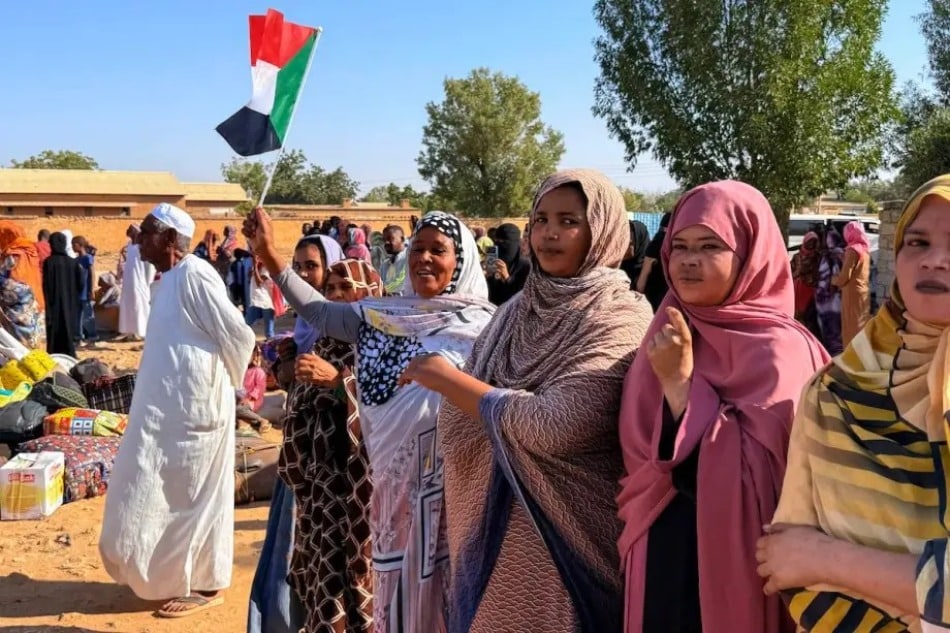
February 9, 2026 (KHARTOUM) – More than 3.5 million people have returned to their homes in Sudan, though over half of those displaced remain children under the age of 18, the International Organization for Migration (IOM) said on Monday.
The IOM Sudan Displacement and Return Snapshot, based on data from more than 12,000 locations across all 18 states, indicates that the number of returnees has risen to 3,500,482.
The movement follows the army’s recapture of Sennar, Gezira, and Khartoum states, contributing to a 21% decrease in the total displaced population compared to the peak of 11.5 million recorded in January 2025.
However, the report highlights a significant demographic burden, revealing that 55% of internally displaced persons (IDPs) and 52% of returnees are children.
An estimated 2,915,306 individuals returned to their homes from internal displacement, while 585,176 people returned from outside Sudan, according to the IOM statement.
These returnees are spread across 2,575 locations in 67 localities across nine states, with 97% of individuals resettling in their original neighbourhoods.
Khartoum state recorded the highest volume of returns, with 1.36 million people moving back to the capital out of the 3.77 million who fled since the conflict began 33 months ago.
Since the city’s transition from paramilitary Rapid Support Forces (RSF) control, the government has sought to restore electricity, water, health, and education services despite widespread infrastructure damage.
Rising displacement in nine states
While returnee numbers increased by 5% over the last month, the crisis remains dynamic, with displacement figures rising in nine other states.
These include Central, East, West, and South Darfur; North and West Kordofan; and the eastern and central regions of Kassala, the Red Sea, and Khartoum.
The Darfur region continues to host the majority of the displaced, accounting for 62% of the national total of 9,139,309 IDPs.
The rise in these areas is attributed to shifting front lines, secondary displacement of those who had already fled once, and the continued lack of access to basic services in conflict zones.
The demographic impact remains severe, with children under 18 accounting for 55% of the total displaced population in these states.
The report noted that 58% of the displaced live in urban areas. Host families accommodate nearly 40% of the population, while 27% live in informal settlements or open areas, 19% in organized camps, and the rest in schools or rented housing.
In areas such as the Red Sea and Kassala, the increase in numbers is straining local resources and host families, who provide the primary safety net for the displaced.