
Sudan army chief centralizes command, sidelines social media officers
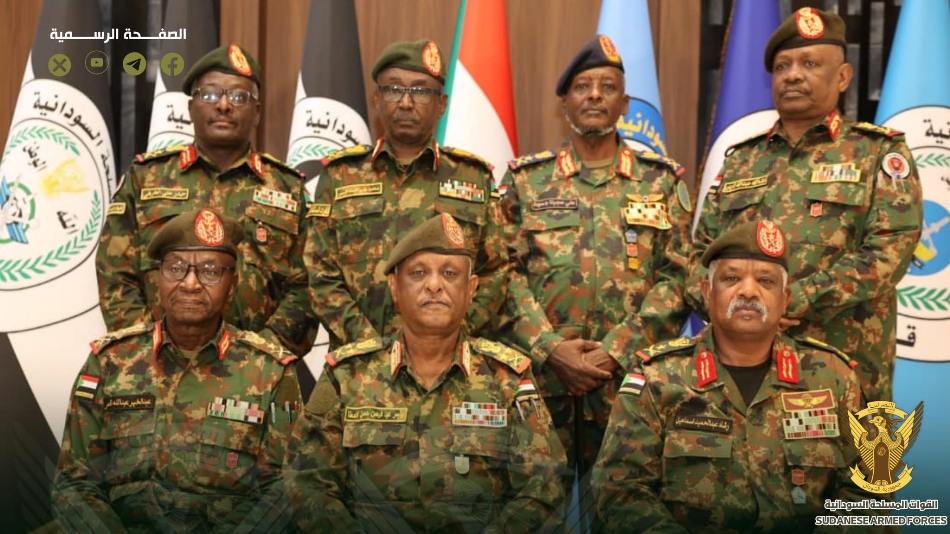
April 10 2026 (KHARTOUM) – Sudanese army chief Abdel Fattah al-Burhan has implemented the most significant restructuring of the military leadership since the outbreak of conflict on April 15, 2023.
The sweeping changes include the appointment of a new chief of staff and the retirement of numerous high-ranking and mid-level officers. Analysts and sources close to the military state these decisions aim to centralize command and enforce strict institutional traditions as the war enters a new phase.
The transition began on April 2 when Burhan relieved General Mohamed Osman al-Hussein of his duties as chief of staff. He appointed General Yassir al-Atta to the post after a complete reconstitution of the General Staff, which integrated fresh leadership elements into the top tier.
Following this move, Burhan issued a decree abolishing the positions of deputy commander and assistants to the army chief. He subsequently reappointed three prominent figures as assistants, though with redefined roles focused on specialized administrative and strategic sectors.
Hierarchy debate
The restructuring has sparked significant debate, prompting Burhan to offer public justifications for appointing Atta, a member of the Sovereignty Council, to the military’s professional head. While the military hierarchy suggested General Shams al-Din Kabbashi was the natural successor for the role, Burhan emphasized that the selection was based on competence.
Speaking during the handover ceremony, Burhan stated that Atta’s appointment was not influenced by tribal or regional considerations, nor was it strictly tied to seniority. He cited Atta’s pivotal role in the ongoing conflict and his leadership in lifting the siege on the General Command headquarters in Khartoum as the primary factors for his selection.
Eliminating friction
Military sources told Sudan Tribune that these changes were designed to eliminate overlapping chains of command and conflicting decision-making processes. They noted that reverting to a more traditional structure is better suited to wartime operations, which require unified, rapid executive authority.
The sources confirmed that recent friction between the General Staff and senior leadership necessitated the shift. The changes effectively consolidate all strategic decision-making within the Office of the Commander-in-Chief.
Media purge
The purge has also reached mid-level officers who had gained notoriety on social media. These officers, often associated with the Islamic movement, were seen as becoming influential figures outside the formal military hierarchy.
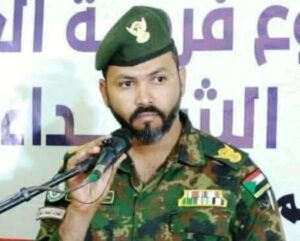
Major Al-Sir Al-Khatim al-Salmabi was relieved of his duties on Thursday. Salmabi, who worked in military media, was a prominent voice on social platforms and was recently involved in a controversy regarding a false report about leadership changes.
This trend of sidelining media-active officers began in August 2025 with the retirement of Colonel Ibrahim al-Houri. Houri, a former editor of the military’s official newspaper, was a fierce critic of civilian governance during the transitional period.
.