
Sudan’s electricity sector suffers $3 billion in war damages, driving solar boom
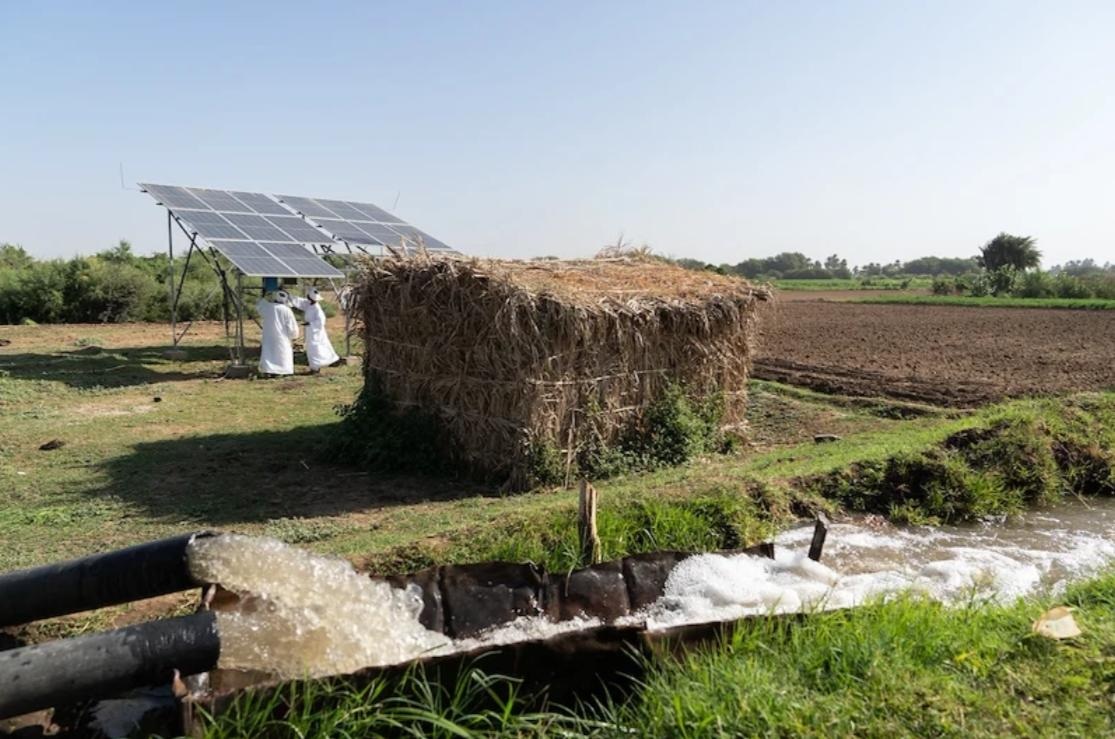
May 18, Khartoum – Sudan’s electricity sector has sustained damages estimated at $3 billion since the outbreak of the conflict, forcing businesses, telecommunication companies, and households to heavily rely on solar energy despite high costs and supply chain bottlenecks, a United Nations report revealed on Monday.
The report, released by the United Nations Development Programme (UNDP) in Sudan, highlighted that extensive destruction to the national grid and power generation networks has triggered a massive surge in the importation of solar panels to bypass the crumbling infrastructure and skyrocketing diesel prices.
Sudan possesses some of the highest solar irradiance levels in the world, with a technical potential of 15 gigawatts (GW) of solar power and 1.5 GW of wind energy. However, prior to the conflict, grid access was limited to between 45% and 60% of the population, heavily concentrated in urban centers, which left off-grid solar as the only viable alternative for rural and conflict-affected regions.
According to the UNDP, Sudan’s installed solar capacity reached approximately 190 megawatts (MW) by 2025. This falls drastically short of pre-war government plans to produce 3,300 MW of renewable energy by 2033, including 2,190 MW from solar power.
Import Spikes and Market Pressures
The conflict derailed ambitious state plans, including an initiative to distribute 2.5 million solar home systems to off-grid areas by 2023. Instead, private solar imports spiked dramatically between 2024 and 2025 as a direct response to grid failures.
While declining global prices allowed Sudanese importers to secure higher-capacity systems for the same value, the sector remains highly vulnerable. Because all system components—including panels, batteries, and inverters—are imported, the renewable energy market is severely exposed to local currency depreciation, foreign exchange shortages, and heavy domestic logistics costs.
The UNDP report detailed that the cost of importing a five-container shipment of solar panels through Port Sudan in September 2025 was heavily inflated by domestic fees. Internal transport accounted for 18.65% of the total cost, followed by port storage and local clearance fees (16.96%), demurrage fees (15.08%), and import documentation fees (13.07%), while business profit taxes took up 4.82%.
In retail markets across Atbara, Port Sudan, Dongola, and Khartoum, the price of a single 590-watt solar panel ranged between 218,000 and 255,000 Sudanese pounds (SDG) during September and October 2025. Concurrently, 10-kilowatt lithium batteries were priced between 5 million and 5.4 million SDG.
Geographically, Khartoum recorded the highest residential solar adoption rate at over 7%, followed by Kordofan at approximately 6% and Darfur at 5%. In contrast, adoption rates dropped to around 3% in eastern and central Sudan.
Economic Stagnation and Financing Hurdles
The power crisis has dealt a severe blow to small and medium enterprises (SMEs) and the agricultural backbone of the country. In Gedaref state, local farmers reported a drop in crop yields from 60 bags to 35 bags due to erratic power supplies. In the Blue Nile region, fuel scarcity drove diesel prices to between 80,000 and 100,000 SDG, while certain battery types saw prices shoot up from 70,000 to 250,000 SDG. In White Nile state, fuel shortages left fields un-irrigated for up to 12 consecutive days, forcing businesses to scale back operational hours or resort to manual labor.
The UNDP identified financing as the primary barrier to broader solar adoption. Existing credit lines carry steep interest rates ranging from 20% to 35%, coupled with restrictive short-term repayment windows of six to eight months.
Conversely, the telecommunications sector, which serves 23.9 million subscribers across 80% of the country, has adapted more rapidly by shifting toward hybrid power configurations that combine grid electricity, diesel generators, solar arrays, and battery storage.
International Support and Climate Impact
The UN agency urged the Sudanese government and international partners to deploy urgent interventions to support solar supply chains, expand microfinance options, establish maintenance networks, and train local technicians.
The UNDP stated it is actively expanding solar initiatives to foster economic resilience. Over the past five years, the agency has supported the installation of 518 solar systems across Sudan. Between 2023 and 2025, it installed 296 solar-powered water pumping systems with a total capacity of 2.9 MW, generating an estimated 17.4 megawatt-hours (MWh) of clean energy daily.
These pumping systems have cut community operational costs by up to 70% compared to diesel generators while offsetting approximately 1,386 tons of carbon dioxide emissions annually. Furthermore, the agency has equipped more than 110 health facilities with solar energy, securing the cold chains required for vaccines and enabling nighttime emergency medical care.