
Sudanese activists warn of humanitarian disaster in Ed Damazin as rains begin
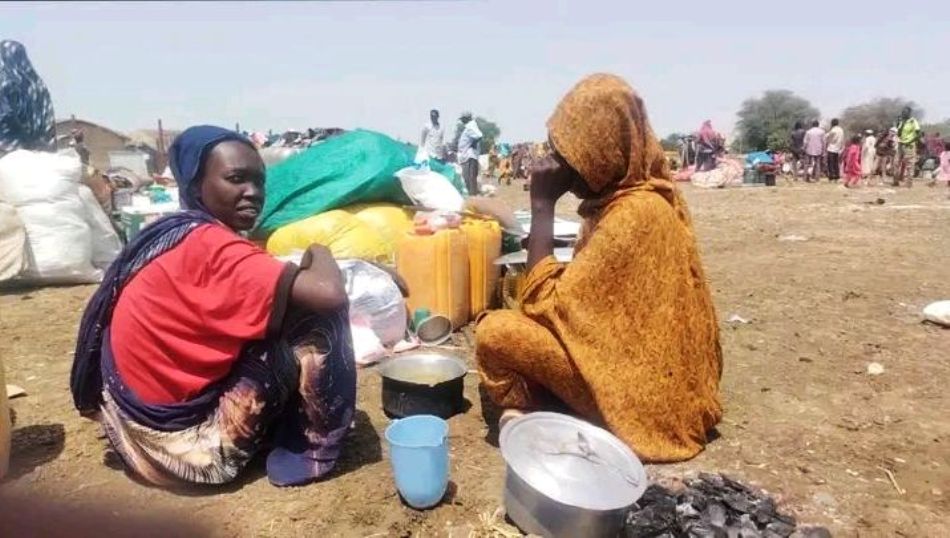
June 21, 2026 (ED DAMAZIN) – Civil society activists in Sudan’s Blue Nile region warned on Sunday of a worsening humanitarian crisis as the rainy season begins amid ongoing conflict.
The region has faced months of sporadic clashes involving the Sudanese army, the Rapid Support Forces (RSF), and the allied Sudan People’s Liberation Movement-North (SPLM-N).
The violence has displaced more than 200,000 people across various areas, severely deteriorating living conditions.
“The situation in the region has reached a catastrophic level with the escalating conflict and food shortages,” Ali Hegazi, a member of the Blue Nile Civil Society Initiative, told Sudan Tribune.
Hegazi called for an immediate and unconditional ceasefire from all warring parties to end the suffering of civilians.
He noted that the humanitarian and security conditions have deteriorated sharply due to severe shortages of food, medicine, drinking water, and shelter, which are now exacerbated by heavy autumn rains.
The activist urged regional and international bodies to pressure the combatants to protect civilians, ensure safe passage, and secure the delivery of humanitarian aid, particularly to the southern border areas.
He also expressed deep concern over reported violations against civilians, including arbitrary detentions, enforced disappearances, and identity-based targeting.
Previous reports indicate that over 150,000 people have fled the region’s southern localities toward the towns of Ed Damazin, Roseires, Ganeis East, and Wad al-Mahi.
Thousands of displaced persons from the Geissan locality near the Ethiopian border face harsh conditions, unsheltered, with women and children lacking adequate food, water, and healthcare.