
Sudan faces devastating cholera outbreak amid severe aid funding shortfall
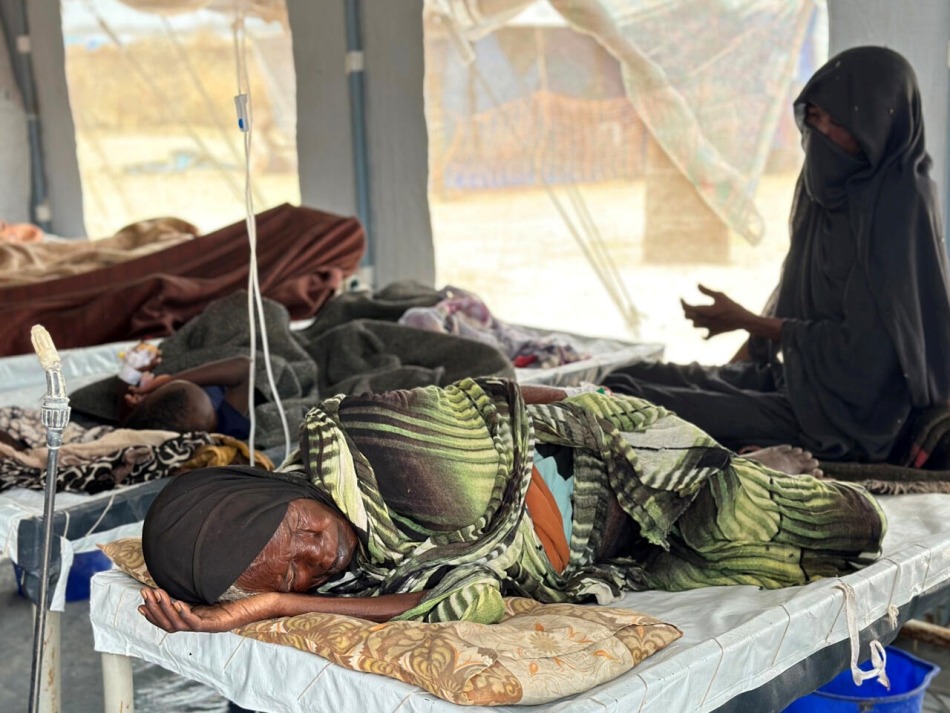
GENEVA – A lethal new cholera outbreak has killed at least 114 people in Sudan, the World Health Organization said, compounding a severe healthcare crisis driven by conflict and a critical lack of international funding.
The waterborne disease has spread across multiple states since it was officially declared on June 27, infecting more than 1,330 people and resulting in an exceptionally high case-fatality rate of 13.7%.
Health officials are particularly alarmed by the arrival of cholera in El Obeid, the capital of North Kordofan state, where medical facilities are overwhelmed and humanitarian access remains heavily restricted.
Shible Sahbani, the WHO representative to Sudan, warned that the situation in El Obeid could deteriorate into a crisis matching or exceeding the mass atrocities and severe deprivation seen in El Fasher last year.
The WHO has positioned 64 metric tons of cholera kits across Sudan, including emergency reserves intended to treat more than 25,000 people in El Obeid, though Sahbani acknowledged these supplies would not be sufficient if the assault on the city continues.
The outbreak comes as heavy displacement and a collapse of water and sanitation infrastructure create ideal conditions for rapid transmission across state lines.
More than 33 million people in Sudan currently require humanitarian assistance, including 21 million who are in urgent need of health services, following years of fighting that have displaced 13.4 million people.
Despite the massive scale of the crisis, the global humanitarian response faces an acute funding shortfall that threatens to halt life-saving operations entirely.
The WHO’s specific emergency appeal of $167 million for Sudan is just 11% funded, a level the agency describes as critically low for the seventh month of the year.
A broader warning was issued by the United Nations Information Service, which noted that the overall 2026 UN humanitarian response plan for Sudan has secured only $930 million of the $2.9 billion required.
The UN has renewed its urgent appeal to international donors for flexible and timely funding to allow aid agencies to scale up early warning systems and distribute medical supplies before the rainy season worsens the outbreaks.