
Sudan civil society coalition outlines vision for independent role in peace process
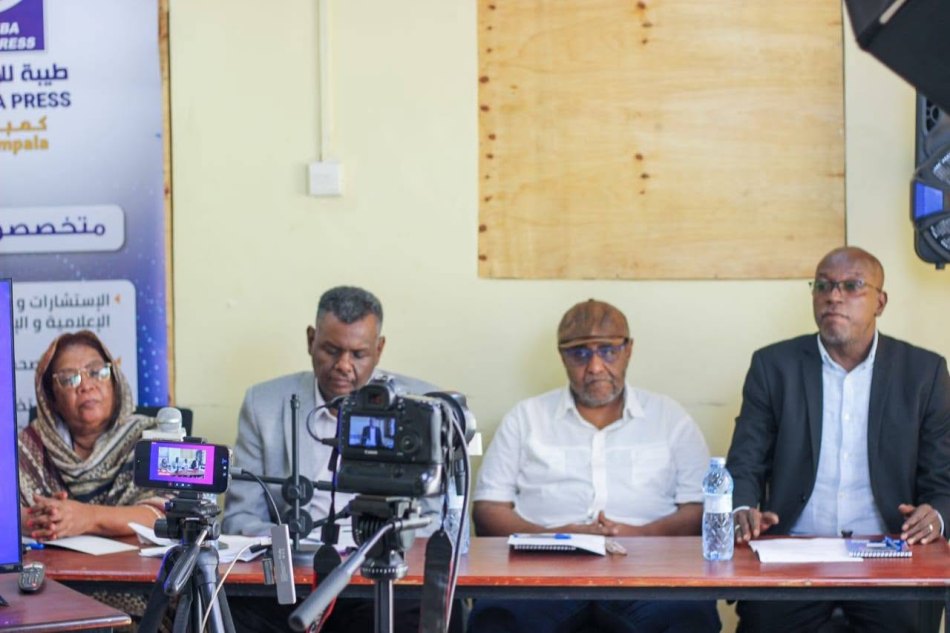
July 23, 2026 (KAMPALA) – The Democratic Civil Society Platform presented a comprehensive vision on Thursday for the participation of independent civil society in Sudan’s peace process, emphasizing that any political settlement must rest on civil society independence, ending the war, justice, and a democratic transition.
The platform includes over a hundred leaders and activists across various sectors, working to develop shared visions to support the transition from war to peace and coordinating with democratic, professional, and trade union forces.
Speaking at a news conference in the Ugandan capital, Kampala, platform member Madani Abbas stressed that civil society participation in any political process must remain fully independent of the conflicting parties and their supporters, and that there must be no return of the former regime or its political fronts.
Abbas affirmed that a just peace cannot be achieved without holding perpetrators of war crimes accountable and ending impunity.
He explained that civil society’s role extends beyond humanitarian and service work to a political function that includes defending rights, advocacy, influencing public policy, and building national consensus for democratic transformation.
Abbas said the platform drafted a document titled “Foundations and Principles for the Participation of Independent Civil Society in the Peace Process,” noting Sudan’s long history of civil society leading democratic changes through the 1964, 1985, and December 2018 revolutions.
Platform member Hisham Omer al-Nour said during the conference that the document calls for establishing a broad democratic civil front to lead efforts to end the war, restore constitutional order, and guide a civil transition culminating in free and fair elections.
Al-Nour emphasized that the priority in the political process must be stopping the war, protecting civilians, and ensuring humanitarian aid access, alongside a commitment to justice, including cooperation with the International Criminal Court regarding those wanted for war crimes.
The platform maintained that any peace process must remain Sudanese-led and Sudanese-owned, utilizing regional and international support without becoming subordinate to foreign agendas or settlements that contradict victims’ demands.
The document proposed creating a unified mechanism to represent independent civil society in the political process, coordinate positions, select representatives for negotiation tracks, and consult grassroots bases to ensure transparent participation.