
Khartoum faces acute water crisis as Nile levels drop
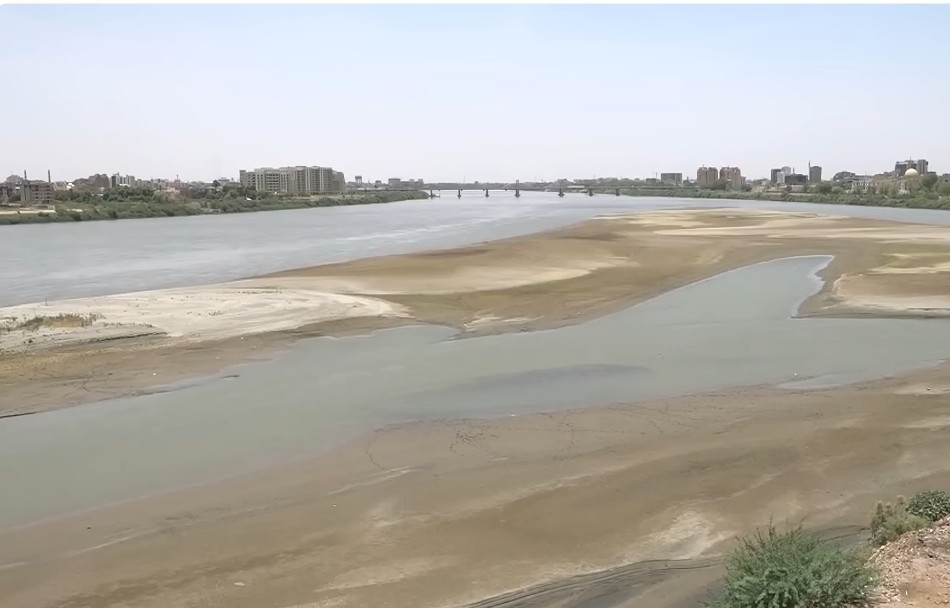
July 26, 2026 (KHARTOUM) – Khartoum State has been plunged into a severe water crisis since the beginning of 2026, driven by a dramatic drop in Nile River levels and catastrophic damage to critical utility infrastructure.
A Khartoum State Water Corporation engineer told Sudan Tribune on condition of anonymity that technical teams are confronting unprecedented operating conditions. The receding river course has combined with heavy structural destruction to leave major treatment facilities severely impaired across the capital.
The engineer said emergency crews are working around the clock to implement temporary relief measures, including extending suction lines deeper into the riverbed and reactivating alternative groundwater wells. However, full restoration remains impossible without reliable power supplies, essential treatment chemicals, and sustained physical protection for key facilities.
Official assessments reveal that receded waters left critical intake pumps suspended above the waterline, forcing major facilities into partial or complete shutdown. Out of the capital’s network of 13 main Nile water stations and seven booster stations, the Burri and Al-Salha stations have partially stalled, while Al-Mugran in Khartoum and Al-Tamaniyat in North Bahri face severe operational disruption.
Only the Al-Manara and Beit Al-Mal plants in Omdurman, alongside the Al-Shagrera, Al-Jereif, and Jebel Aulia plants in Khartoum, remain functional.
Residents in North Bahri report extreme hardship as the main river channel has retreated tens of meters from the shoreline. Families in Al-Jaili must travel long distances using animal-drawn carts to fetch raw well water, while commercial water barrel prices have soared beyond the financial reach of most households.
In older districts of Bahri, residents who returned to their homes have resorted to digging private neighbourhood wells to survive. Even where the main network pumps intermittently, widespread structural damage to underground distribution pipes causes severe leakage and prevents water from reaching household taps.
Medical professionals are warning of an impending public health catastrophe, as routine testing shows the vast majority of drinking water consumed in Khartoum State fails to meet World Health Organization and Sudanese national quality standards.
The economic collapse and skyrocketing fuel prices have rendered boiling water unaffordable for most families. Facing extreme shortages of cooking gas, charcoal, and firewood, many households in neighbourhoods like Al-Douroushab leave water containers under direct sunlight for hours in a desperate attempt to achieve solar disinfection.
Humanitarian organizations warn that the combination of untreated groundwater reliance, contaminated distribution networks, and compromised sterilization methods poses an immediate threat of widespread waterborne disease outbreaks across the capital.