
Over 11,000 registered missing in Sudan, Red Cross says
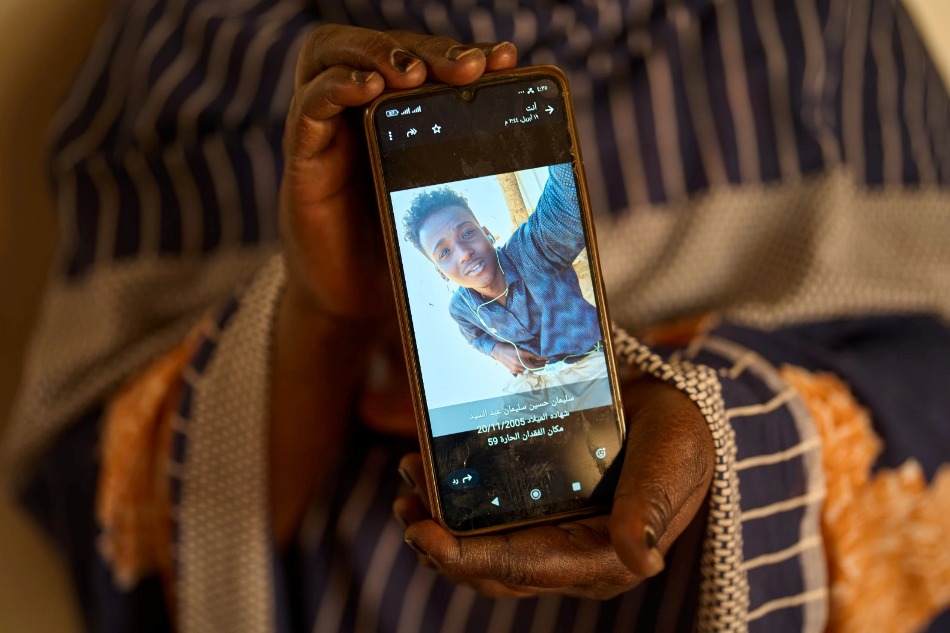
September 6, 2026 (KHARTOUM) – The International Committee of the Red Cross is holding confidential bilateral talks with all warring factions in Sudan to press for adherence to the laws of war, an ICRC spokesperson said, as active missing-person cases surpassed 11,000.
Farid al-Humaid told Sudan Tribune that the humanitarian agency continues to engage commanders and armed groups on the ground, training hundreds of officers and combatants on international humanitarian law during the first half of 2026.
Despite commitments made by the combatants under the Saudi- and U.S.-brokered Jeddah Declaration in May 2023, al-Humaid said documented patterns of civilian harm remain alarming more than three years into the fighting.
The crisis of the missing and detained is among the agency’s primary operations, coordinated alongside the Sudanese Red Crescent Society.
“More than 11,000 active missing persons cases were registered through early 2026, including over 9,000 documented since the outbreak of the current conflict in April 2023,” al-Humaid said.
The agency’s tracing operations clarified the fate and location of 613 registered missing individuals in the first six months of the year, while helping more than 38,500 separated families restore contact through mobile links, charging points, and internet access.
The handling of civilian casualties presents an escalating crisis. The ICRC distributed over 6,400 body bags and trained emergency personnel in safe burial protocols to protect identification records for grieving relatives.
In the capital alone, reports indicate more than 20,000 bodies have been recovered and buried without formal records or documentation, leaving families with little certainty over the fate of their kin, he said.
Access to official and informal detention centres remains tightly restricted by both sides, preventing independent monitors from checking detention conditions or tracking prisoners.
Al-Humaid reiterated that the ICRC acts solely as a neutral intermediary in prisoner releases or transfers when requested by the parties, and only with the explicit consent of the detainees. The agency does not negotiate release lists or examine reasons for arrest.
Fighting, blackouts, and deliberate infrastructure damage continue to paralyze relief pipelines across the country.
Between 70% and 80% of health facilities in conflict zones have ceased operations. Over the first half of 2026, ICRC teams assisted in the treatment of nearly 5,000 weapon-wounded patients across 18 remaining hospitals.
In North Kordofan, the agency delivered food rations to more than 40,000 people and cash assistance to 35,000, while deploying a mobile surgical unit to the state teaching hospital. Similar food and cash distributions reached tens of thousands of displaced people in El Obeid and Kosti.
Severe power outages and broken water grids have fueled widespread disease outbreaks, including cholera and malaria, compounded by heavy seasonal rains inundating squalid displacement camps.
More than 11 million people have been driven from their homes since fighting erupted between the Sudanese army and the paramilitary Rapid Support Forces in April 2023, including nearly 4 million who fled across borders.
Around 33 million people, more than two-thirds of Sudan’s population, now require emergency humanitarian aid, with the sharpest deficits reported across frontlines in Darfur, Kordofan, and Blue Nile state.